This short guide shows practical, low-cost ways to winter proof your home without costly upgrades. It focuses on quick wins: stop draughts, use curtains and blinds well, and zone heating so you warm rooms you use.
In the UK, older buildings and leaky joinery often make rooms feel colder than outside. Small gaps and poor routines quietly raise energy bills; draught-proofing windows, floors and doors can save around £85 a year, and sealing an open chimney about £60, while outdated glazing costs households roughly £180 more annually.
We prioritise comfort and savings, with simple DIY checks and cheap materials such as weatherstripping and draught excluders. You won’t need to replace all windows or overhaul central systems to notice a difference, especially in hallways, bedrooms and living rooms.
Safety notes on chimneys, boilers and ventilation will be clear, so a budget approach stays safe. Expect step-by-step tips you can try this weekend to keep home warm without making living spaces stuffy.
Key Takeaways
- Focus first on draught-stopping, curtains and simple heat-zoning for fast wins.
- Small fixes can cut energy bills; estimated savings include about £85 and £60 for common draught fixes.
- Cheap materials and basic checks often beat immediate big spends on glazing or boilers.
- Heat the rooms you use, not the entire property, to improve comfort and lower costs.
- Follow clear safety guidance for chimneys, boilers and ventilation when making changes.
Quick home check to spot heat loss before the cold months
Before the cold months arrive, spend 30–60 minutes walking each room to find where warm air escapes and cold air gets in. This quick sweep helps you target the biggest leaks first and save energy across the year.
Older homes often lose most heat through doors and windows. Even small gaps under a front door can let daylight through and bring a noticeable draught at night.
How to spot draughts fast
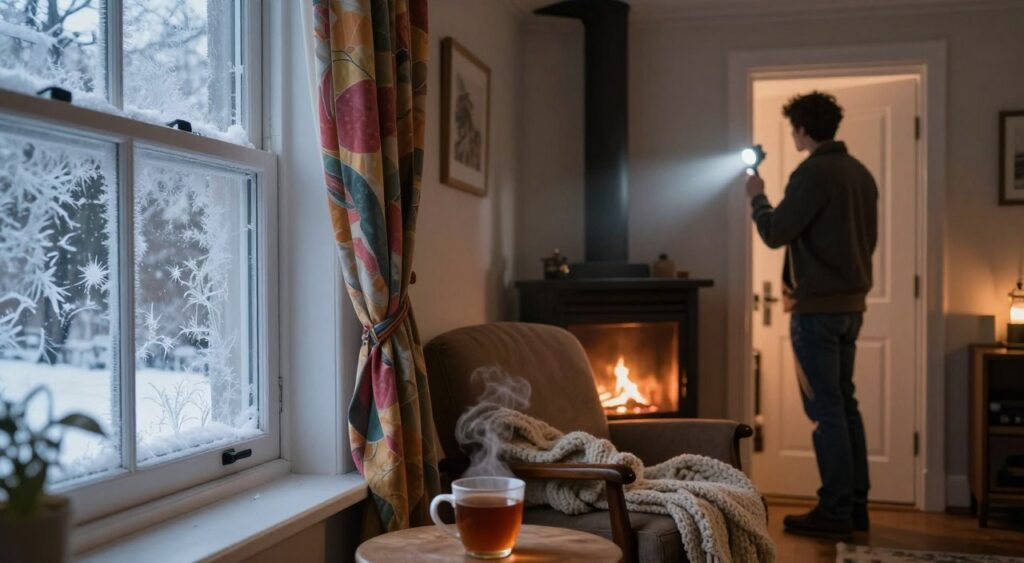
Use the back of your hand near frames, or hold a tissue to test for moving air. On a windy day, you will see problems more clearly. A candle flame can show drafts but take care and keep a safe distance.
Floors, chimneys and cold corners
Check skirting lines and floorboard gaps; suspended timber floors can send cold patches up through rooms. Open chimneys act like extractors and will suck warm air out when unused.
Make a simple room-by-room plan: list the rooms you use most, note the coldest spots and rank fixes by expected comfort gain. Focus on hallways, bedrooms and seating areas first. Decide what you can do this weekend and what needs a professional later in the year.
| Area | Quick fix | Likely impact |
|---|---|---|
| Front door | Fit draught excluder or seal gap | Reduces noticeable draughts, improves temperature |
| Windows | Check seals, add temporary strip | Stops small air leaks, steady room temperatures |
| Floors & skirting | Seal gaps, add rugs | Reduces cold spots, better comfort underfoot |
| Chimney | Insert breathable chimney balloon or cap when safe | Prevents constant heat loss when not in use |
Target the biggest problems first to see the fastest drop in bills. These practical tips make the task manageable and keep the work within a sensible time and budget.
How to winter proof your home by sealing draughts and gaps
Small fixes at doors, windows and chimneys give the biggest comfort gains for little cost. The main aim is to stop unwanted air movement (a draught) while keeping essential ventilation. Prioritise the cheapest, highest-impact fixes first to save money and cut energy bills.
Draughtproof windows with self-adhesive weatherstripping
Case studies show fitting self-adhesive strips is quick: clean and dry the frame, measure, cut and press into place. The strips improve comfort and even reduce noise almost immediately, says Michael Arrowsmith of Etheridge Windows.
- Wipe the frame so it is dust-free and fully dry.
- Measure the sash or casement edge; cut the strip to size.
- Peel the backing and press firmly along the seal for a snug fit.
- Test the window operation and trim any excess.
Stop a draughty front door cheaply
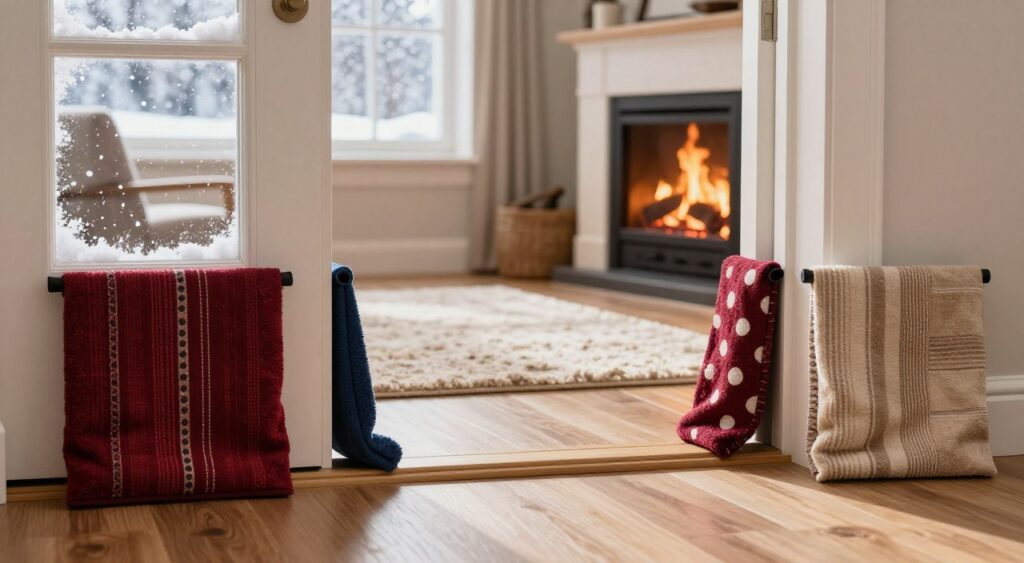
Stick adhesive strips along the sides and top for small cracks. A thin bead of silicone sealant hides hairline gaps but keep ventilation in mind.
Add a properly sized draught excluder at the base. Choose one that matches the door width, has enough heft to stay put and fits the gap so you do not waste money.
Keep original or ill-fitting frames usable
If you want to keep character, combine brush strips, compression seals or secondary glazing film. These measures cut heat loss without replacing windows straight away.
Floors, skirting and chimney tips
Use flexible silicone filler for small skirting gaps; larger movement gaps need a flexible seal or professional check. For unused open fireplaces, a temporary chimney blocker can stop heat escaping but remove it before lighting any fire.
Simon Bones of Genous warns never to use blockers with gas fires because of carbon monoxide risk.
| Fix | When to use | Benefit |
|---|---|---|
| Weatherstripping | Window sashes/casements | Fast seal, low cost |
| Door excluder | Gap under door | Stops draught, easy to fit |
| Chimney blocker | Unused open fireplace | Reduces heat loss (remove if using fire) |
These low-cost ways often give better value than turning up the heating or replacing boilers straight away. Start small, test results, and you can save money on heating bills quickly.
Use curtains and blinds to keep warm air in and cold air out
Choosing good coverings for windows is one of the easiest ways to cut heat loss and lift comfort in a small space.
Thermal curtains vs thermal blinds
Layered thermal curtains use dense fabric and linings to block radiant loss. Honeycomb blinds trap air in pockets between the window and the room.
Both reduce draughty feeling; blinds suit shallow recesses, while curtains give a thicker barrier and extra insulation.
Measure and fit to avoid gaps
- Measure full width and drop; overlap the frame by at least 10cm each side where possible.
- Fit the pole or track close to the wall or recess to reduce leaking at the top.
- For bay windows or older casements, use shaped tracks or pair blinds with curtains to seal awkward gaps.
Daily routine for better efficiency
Open coverings during daylight for solar gain on sunny aspects, and close at dusk to hold in heat.
In bedrooms, tight-fitting linings make a room feel warmer without cranking up the heating, so you heat the space more efficiently.
| Type | Best for | Benefit |
|---|---|---|
| Layered curtains | Living rooms, tall windows | Thicker insulation and better draught control |
| Honeycomb blinds | Shallow recesses, modern windows | Air pockets improve efficiency without bulk |
| Combination | Bays, old sashes | Seals gaps and boosts temperature retention |
Heat-zoning basics that reduce heating bills without sacrificing comfort
Rather than chasing an even temperature throughout the house, zone heating matches output to need. This saves energy and keeps the rooms you use most feeling comfortable.
Rearrange furniture so radiators can work. Move sofas, desks or dressers away from panels so warm air can circulate into the space instead of being trapped behind objects.
Simple radiator checklist
- Keep curtains clear of radiators and avoid draping clothes over them.
- Leave 10–15cm clearance in front for convection to flow.
- Don’t block hallway radiators with coat piles; heat should reach living areas.
Bleed radiators the easy way
If radiators feel cold at the top but warm at the bottom, trapped air is likely. Do this once a year, ideally in autumn.
- Switch off the boiler and let the system cool.
- Use a bleed key or a flat-head screwdriver on the bleed valve.
- Open slightly until water appears, then close tightly.
Thermostats, schedules and small maintenance
Program thermostats to heat before you wake or return, and lower settings when out. Schedules cut bills without losing comfort.
If a boiler or heating systems struggle, the whole house wastes energy. Small checks and yearly servicing keep efficiency up and energy bills down.
Warm-the-person extras
Hot-water bottles, heated throws and closing doors cost less than running heating all day. These easy measures give instant comfort where you sit.
| Action | When to do it | Benefit |
|---|---|---|
| Move furniture from radiators | Any time | Improves room heat distribution |
| Bleed radiators | Once a year (autumn) | Fixes cold spots, boosts efficiency |
| Program thermostat | Set weekly schedule | Reduces bills, keeps comfort timed to use |
| Use heated throws/personal warmers | When seated | Warms people cheaply; avoids heating empty space |
Control damp and condensation to make rooms feel warmer
A simple change to how you manage air and water vapour can make rooms feel warmer and reduce energy use.
Why humid air feels colder and can push up energy use
Humid air holds more water vapour, which increases the air’s heat capacity. As Meaco’s CEO Chris Michael explains, that higher heat capacity means it takes more energy to raise the temperature.
So a room with condensation can feel colder even if the thermostat reads the same. That often leads people to raise heating and raise energy bills instead of tackling moisture first.
Use a dehumidifier strategically to improve comfort
Run a dehumidifier where it helps most, not constantly. Focus on bedrooms overnight, laundry drying zones, and rooms that show steady condensation.
- Bedrooms: run on low overnight to cut morning damp and improve sleep comfort.
- Laundry: place the unit near wet clothes to speed drying and stop moisture spreading.
- Condensation spots: use short cycles to clear air around windows and prevent mould.
Target usual moisture hotspots
Look for morning beads on window panes, damp corners on outside walls, wardrobes against cold walls and bedrooms shut all night. These signs show where water is collecting in the space.
Short, sharp ventilation (open a window for 5–10 minutes), keep trickle vents clear and avoid drying clothes in the coldest room without airflow. Drier air feels warmer and lets heating work more efficiently, improving comfort without higher settings.
| Problem | Quick action | Benefit |
|---|---|---|
| Window condensation | Run dehumidifier or brief ventilation | Less mould, clearer glass |
| Wet laundry indoors | Move to ventilated space or use dehumidifier | Faster drying, lower room damp |
| Cold external walls | Avoid heavy furniture against walls; improve airflow | Reduces cold spots and damp growth |
Low-cost winter maintenance that protects your house and your money
Simple maintenance now can stop small faults from becoming expensive emergencies later in the season.
Book an annual boiler service to reduce breakdown risk and safety issues. Martyn Fowler of Elite Renewables stresses that a service checks the flue, tests burner performance and confirms ventilation. That lowers the risk of carbon monoxide and helps boilers run more efficiently, which can save money on bills over the year.
Lag exposed pipes to keep hot water hotter for longer
Identify exposed pipes in lofts, garages or under sinks. Fit foam sleeves to straight runs and tape joints well. This keeps hot water hotter for longer and reduces heat loss from pipework.
Lagging also cuts the chance of frozen pipes in very low temperatures. Less wasted heat means lower bills and better comfort where you need it most.
Clear gutters and drains to avoid damp in walls
Leaves and debris cause blockages that make rain overflow. Overflowing gutters push water into walls and can cause damp patches that are costly to fix.
Clear gutters and downpipes before persistent rain or book a local service. This small task protects walls and saves money on repairs later.
Practical next steps and a simple checklist
- Schedule a boiler service early in the year before demand peaks.
- Lag exposed pipes now with foam sleeves and seal joints.
- Clear gutters and check drains after autumn leaf fall.
- Check loft insulation — topping up from under ~100mm towards ~300mm is a cost-effective move to reduce heat loss through the roof.
| Task | When | Cost indication | Benefit |
|---|---|---|---|
| Boiler service | Annually | Low (routine) | Safety, fewer breakdowns, improved efficiency |
| Pipe lagging | Any time before cold spells | Very low (DIY foam sleeves) | Keeps hot water hotter, reduces bills, less freeze risk |
| Gutter clearing | Autumn and after storms | Low to medium (DIY or contractor) | Prevents damp in walls, avoids repair costs |
| Loft insulation top-up | When insulation | Medium (materials & install) | Reduces heat loss, raises energy efficiency |
Conclusion
Tackling the worst leaks first is the quickest route to warmer rooms and lower costs.
Start with draughts, then add better curtains or blinds and focus heating where you sit. These low-cost moves reduce heat loss, lift comfort and cut energy use with little disruption.
Small changes add up: draughtproofing around windows, doors and floors can save around £85 a year, and sealing an unused chimney about £60. Fit draught excluders, bleed radiators and set a simple heating schedule this week.
Book a boiler service, use chimney blockers safely and keep ventilation to avoid damp or carbon monoxide risks. Reassess after a few weeks and top up insulation where it gives the most benefit for the lowest cost.