This buyer’s guide offers a simple “buy list” approach to help you secure real savings without filling your home with things you’ll regret by January.
We focus on practical, repeat-use upgrades — home comfort, cleaning, tech and kitchen — rather than impulse bargains that vanish from cupboards and minds.
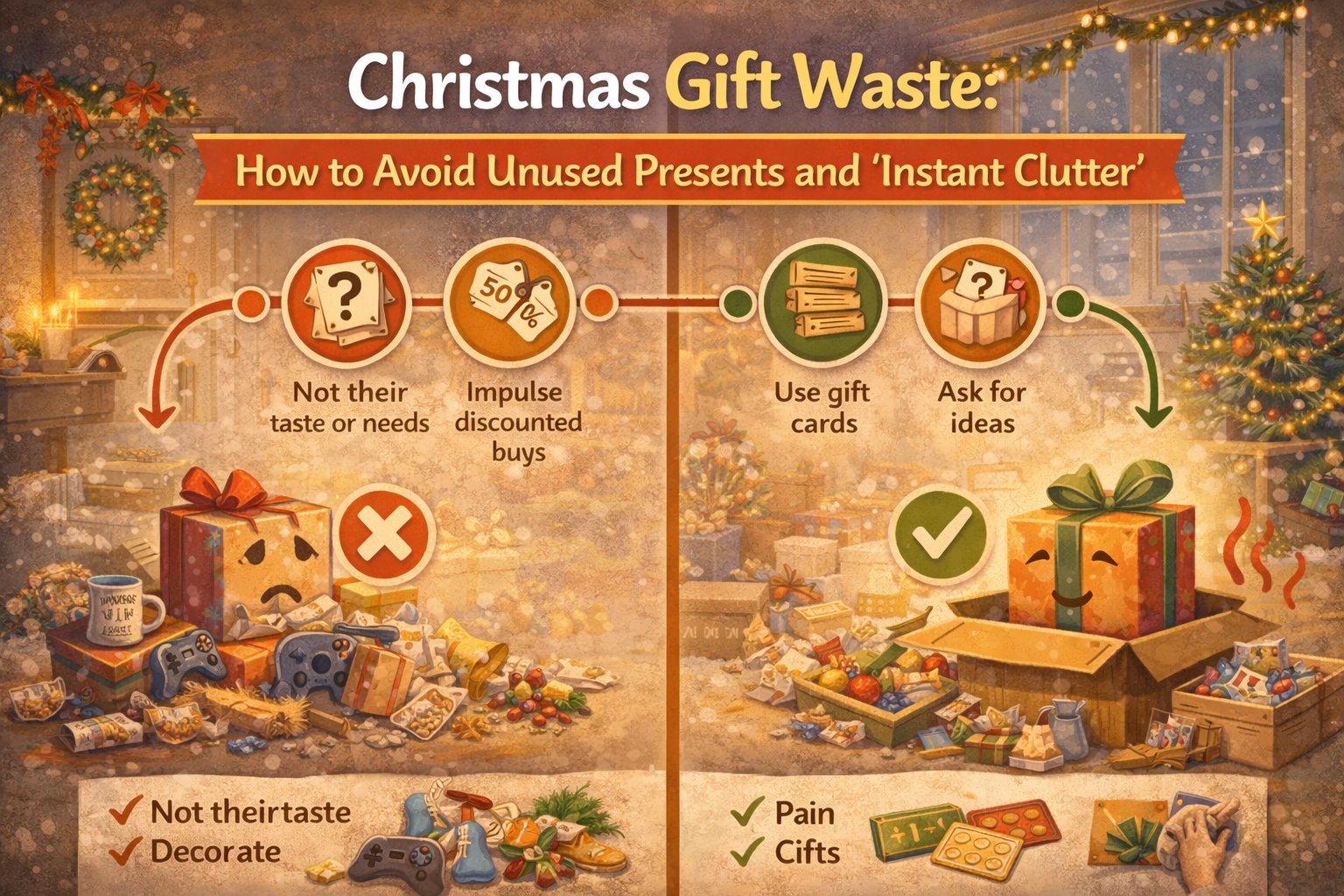
Clutter has a cost: money spent, storage taken and the extra mental load of managing unwanted items after the sales. This piece explains how to avoid that trap.
Follow a straightforward method: decide what you need, set spending limits, track prices, shop trustworthy retailers like John Lewis, Currys, Boots, Argos and Amazon, and use payment protections for safe checkout.
Later sections cover UK dates and timing, spotting fake discounts, where to shop, stacking savings and secure checkout. We’ll also show practical “no-clutter buys” — warmth, air quality, vacuuming, streaming upgrades and reliable small appliances — to inspire your list.
If you are going to buy, buy better: choose items you’ll use weekly and that truly earn their space at home.
Key Takeaways
- Use a short, needs-based buy list to avoid impulse purchases.
- Prioritise repeat-use upgrades for real value and less clutter.
- Set limits, track prices and favour reputable UK retailers.
- Watch for fake discounts and time purchases by official UK sale dates.
- Choose products that earn their space with weekly use.
Why a “buy list” beats browsing Black Friday deals
Making a clear buying plan beats scrolling through endless deals that pressure you to act fast. Browsing creates a false urgency that nudges impulse purchases and blows budgets.
Novuna Consumer Finance found one in three shoppers end up re-gifting their sale purchases. That shows how many bargains become unwanted items, which wastes money and adds clutter.

The regret problem: impulse buys, re-gifting, and budget blowouts
When you browse without a plan you ask “what’s cheap?” not “what would I buy at full price?” The first mindset invites impulse buys. The second protects your money and home.
Needs vs wants: keep savings without adding clutter
Use a simple filter: will it solve a real annoyance like a cold room, damp laundry, a broken vacuum or a slow TV interface? If not, skip it.
- If you can’t name where it will live and how often you’ll use it, it’s not on your list.
- Best purchases are planned big-ticket upgrades that last for years, not novelty bargains.
- Preview of the system to come: prioritise, track prices, buy only from your list and review before checkout.
Black Friday and Cyber Monday in the UK: dates, timing, and how long sales really run
Plan the key sale days in advance so you can spot real bargains without being swept up in the hype.
Key dates for 2025: black friday falls on Friday 28 November 2025 and cyber monday lands on Monday 1 December 2025. Many retailers begin promotions in early November and push heavier deals through the weekend and Monday.
Early launches let you monitor price history and set alerts before the loudest marketing. Use that lead time to confirm worthiness rather than chase every drop.

When to act: stock versus price
Shop early for limited-stock gifts and popular tech. Early access secures scarce items and pre-sale bundles.
Hold off on non-urgent buys until the late weekend and Cyber Monday. Price competition often deepens then if stock remains.
| Goal | Best time | Why |
|---|---|---|
| Secure limited stock | Early November / launch days | Retailers release limited runs and pre-orders first. |
| Maximise price drops | Late weekend & Cyber Monday | Higher competition can push prices lower if supply holds. |
| Gift planning | Mid-November check-in | Gives time to compare prices and arrange delivery. |
Set three short check-ins: mid-November, Thursday night before the weekend, and Cyber Monday morning. Check at set times to avoid endless scrolling and off-list impulse buys.
Black Friday shopping list UK: build a list you’ll actually stick to
Begin by noting the replacements and upgrades you’ve truly needed for months. That keeps purchases useful and reduces regret.
Make a watchlist weeks ahead and save exact product names and models. This helps you compare like-for-like prices across retailers and track real drops.
Create a watchlist weeks ahead (and set price alerts)
Use price-alert tools and add target price notes. Email subscribers often get early access 24–48 hours before public launches, so sign up to the brands you trust.
Set a hard spending cap and prioritise big-ticket buys first
Set an overall cap and mini-caps for categories (home, gifts, tech). Prioritise mattresses, vacuums, dehumidifiers and laptops — they deliver the most value.
Plan Christmas presents early without panic-buying
Ask for wish lists and match gifts to hobbies. Buy early if a true bargain hits your saved model and target price.
- Save exact model names, not vague categories.
- Record target price and retailer access dates.
- Use a separate email if you want clean discount codes and alerts.
| Action | Tool | Best time |
|---|---|---|
| Save exact model | Notes or spreadsheet | Now – 3 weeks before sales |
| Set price alert | Price comparison sites/apps | Early November onwards |
| Sign up for access | Brand newsletters | 24–48 hours before public deals |
How to spot a genuinely good deal (and skip the fake discounts)
Spotting a genuine deal starts with simple checks, not panicked clicks. A genuinely good deal undercuts the long-term average price and matches something on your buy list.
Use price-history tools
Check 3–12 month graphs on CamelCamelCamel (Camelizer), Keepa and PriceSpy. Look for typical price bands and past low points. These charts expose staged rises before a discount and show whether today’s price is truly low.
Deal scorecard and bundle maths
Quick scorecard: (1) Is it near the year’s lowest price? (2) Do you need the item? (3) Is the retailer reputable? (4) Is the total cost clear?
When a bundle appears, calculate per-item value. Which? found many bundles include unwanted extras; 58% had at least one item buyers didn’t need. Compare buying components separately to see real savings.
| Check | Why it matters | Action |
|---|---|---|
| Price history | Shows real drops vs inflated RRPs | Use 3 tools and note previous lows |
| Specs & model | Some sales use lower-spec variants | Confirm model numbers, RAM, storage, panel type |
| Retailer price | Big percentage cuts can be misleading | Compare 2–3 sellers before buying |
Where to shop in the UK: retailers worth checking first
Choose a handful of trusted stores now so you can act quickly when a genuine deal appears. Pick shops that match the items on your buy list and note their delivery windows.
John Lewis: service and peace of mind on higher-value purchases
John Lewis is the go-to for bigger buys. Its service and returns are clear and reliable.
That makes it a safe place for items you expect to keep for years.
Currys, Boots, Argos, Amazon: strengths and when to use each
Currys is best for appliances, TVs and laptops where specs matter. Boots excels for beauty, skincare and health items with club points and codes. Argos wins on speed with Click & Collect and easy returns. Amazon offers vast range and frequent flash deals, but check seller details and price history.
- Set a retailer-first plan: choose two or three retailers before the sale.
- Compare the same model across sites and confirm delivery dates.
- Use retailer websites and price trackers to verify “was” prices.
| Retailer | Best for | Edge |
|---|---|---|
| John Lewis | Large appliances, furniture | Strong service and returns |
| Currys | TVs, laptops | Curated tech comparisons |
| Argos | Quick collection items | Fast Click & Collect |
| Amazon / Boots | Wide range / Beauty & health | Volume deals / loyalty offers |
Discount stacking without the hassle: newsletters, cashback, and member savings
Layering simple perks on top of sale prices can cut your final bill without extra effort.
Start small: treat discount stacking as adding one extra saving layer to a marked price, not as a hobby. Newsletters often give access 24–48 hours early and occasional discount codes that stack with public offers.
Newsletter sign-ups for early access and extra discount codes
Sign up only for the brands on your planned buy list. Early access gives time to confirm a real saving and prevents impulse buys.
Cashback and eGift/top-up cards: layering savings the simple way
Cashback acts like a post-purchase rebate and pays off most on big-ticket items. eGift or top-up cards let you preload planned spend and receive instant member savings or cashback on redemption.
- Only stack with reputable retailers that keep normal returns.
- Use one extra perk — code, cashback or member card — so tracking is simple.
- Skip stacking if it forces extra purchases to reach thresholds.
Quick example: buy a planned vacuum at a sale price, add a small cashback rate or a member top‑up card, and the combined savings lower your total cost. Track total spend live so layered deals never push you past your budget cap.
Stay safe while chasing Friday deals: scams, secure checkout, and data protection
High-traffic sale periods attract clever scams, so short checks before you buy will save time and worry.
Scammers target these events because more people click fast when a good deal appears. That rush makes it easy for fake sites and phishing messages to succeed.
How to spot fake sites, dodgy domains and “too good to be true” offers
Watch domain names closely. Extra hyphens, odd suffixes or tiny misspellings are red flags. Copied logos and pressure lines like “buy in 10 minutes” are common tactics.
- Type retailer URLs yourself or use official apps; avoid email or social links.
- Check for HTTPS and a padlock before entering details.
- A bargain that beats long-term price history often signals a fake or a bait tactic—pause and verify.
Card safety checks and what to avoid in messages
Never share full card numbers, CVC codes, or one‑time passcodes by email, text or phone. Legitimate retailers will not ask for those via messages.
Avoid bank transfer requests to unknown sellers. Use a card or a protected payment method that offers dispute options.
| Risk | What to check | Safe action |
|---|---|---|
| Dodgy domain | Spelling, extra words, unusual suffix | Search retailer site or type URL manually |
| Phishing message | Unknown sender, urgent tone, strange links | Do not click; contact retailer directly |
| Suspicious payment request | Bank transfer demand or full card details asked | Use card or PayPal and keep records |
Quick pause step: if a friday deals headline feels too good to be true, check price history and the seller’s reputation before entering personal data. Buying fewer, well-chosen items from known retailers keeps your data and money safer.
Pay smarter: credit card protection, PayPal disputes, and returns that matter
How you pay matters as much as what you buy—pick methods that protect higher-value purchases.
For purchases between £100 and £30,000, Section 75 of the Consumer Credit Act gives you extra cover when you use a credit card. If goods aren’t delivered or are faulty, the card provider shares liability with the retailer. That makes a credit card a practical choice for big-ticket items and gives real peace of mind.
PayPal and dispute timeframes
PayPal can be a useful fallback for many online buys. Eligible transactions may be disputed if raised within 180 days of the purchase date. Keep a note of the transaction date so you don’t miss those days.
Check returns before you click
Return windows and exclusions often change during a sale. Confirm who pays postage, whether opened items are accepted, and any restocking fees. A great price is less useful if returns are costly or impossible.
- Keep proof: order confirmations, screenshots of the deal price, delivery tracking and warranty details.
- Prefer retailers with clear aftercare—even a slightly higher price can save time and stress later.
- If return terms are poor, consider removing the item from your buy list; protection matters as much as the price.
| Protection | What it covers | Action |
|---|---|---|
| Section 75 | £100–£30,000 purchases on a credit card | Use a credit card and keep receipts |
| PayPal | Disputes for eligible transactions within 180 days | Save transaction dates and messages |
| Retail returns | Windows, exclusions, postage rules | Read policy before purchase |
Your no-clutter buy list for the home: comfort and practical upgrades
Small comfort buys often repay themselves in daily ease rather than collecting dust.
Pick items that solve everyday annoyances: cold evenings, damp laundry and restless sleep. These buys tend to earn their space and deliver genuine savings across the year.
Warmth savers
Heated throws and electric blankets replace extra layers and often reduce heating bills. Check size, heat settings, safety timers, washable covers and warranty length before you buy.
Laundry and air quality
A heated airer earns its place if you lack a tumble dryer or struggle to dry clothes in winter. Look for capacity, a protective cover and energy-use hints.
Choose a dehumidifier by room coverage, extraction rate and noise level. The right unit cuts condensation and musty smells, protecting fabrics and paint.
Sleep upgrades and daily light
A hybrid mattress or a topper from trusted brands can be a long-term saving if it stops repeated replacements. Focus on firmness, trial periods and warranty.
Sunrise alarms from Lumie or Philips are used every morning. Pick gradual light, multiple sounds and simple controls to make waking easier.
Only consider an air fryer here if it replaces another kitchen appliance you will stop using. Avoid duplicate gadgets that add clutter.
| Upgrade | Example brand | What to check | Why it earns space |
|---|---|---|---|
| Heated throw / blanket | Silentnight | Size, timer, washable cover, warranty | Replaces extra heaters and long-term saves on heating |
| Heated airer | Lakeland Dry:Soon | Capacity, cover, running cost | Speeds winter drying without a tumble dryer |
| Dehumidifier | ProBreeze | Room m², extraction L/day, noise | Reduces condensation, prevents mould and fabric damage |
| Hybrid mattress / topper | Otty, Simba | Firmness, trial length, warranty | Better sleep and fewer replacements over the year |
| Sunrise alarm | Lumie, Philips SmartSleep | Light ramp, sounds, ease of use | Daily use improves mornings and mood |
Your no-clutter buy list for cleaning and smart home essentials
A well-chosen cleaning or smart-home buy can replace several mediocre tools and save hours each week. Focus on products that do regular work, so they earn their space rather than add clutter.
Robot and cordless vacuums: when the price drop is worth it
Look for self-emptying bins, long battery life and easy spare parts. A genuine deals price drop is worth it if service and warranty are strong.
- Decide if you need mopping, mapping accuracy or pet-hair performance.
- Check how much floor clutter you must clear before runs.
- Confirm spare brushes and filters are available and affordable.
Steam cleaners and pressure washers: practical buys that earn their space
Only buy if you have real use—sealed floors, grout or outdoor decking. Consider storage and hose length before you click.
Video doorbells: subscription-free vs subscription models
Subscription-free options store locally and avoid ongoing fees, but cloud models add playback and person detection features. Factor in monthly costs and any extra accessories.
| Product | Key buy check | Hidden costs |
|---|---|---|
| Robot vacuum | Self-emptying, mapping, battery | Replacement brushes, filters, bin bags |
| Cordless vacuum | Run time, suction, named models (e.g., Shark) | Battery replacement, attachments |
| Steam cleaner / Pressure washer | Use case, storage, nozzle/hose length | Detergents, winter storage |
| Video doorbell | Local storage vs cloud features | Subscription fees, extra chimes |
Buy from trusted retailers like john lewis when possible. Their returns and repair service reduce risk for higher-value items. Always add replacement parts or subscription fees to the listed price so you know the total ownership cost.
Your no-clutter buy list for tech: upgrades you’ll use every week
Aim for tech that improves routines—streaming, workouts and commutes—so a purchase earns space and avoids becoming clutter. Tech is the most common purchase category in past years; consider how often you will use each product before you buy.
Streaming sticks: the budget-friendly TV upgrade
Streaming sticks (Roku, Amazon Fire TV) refresh an older screen without buying a new TV. They are cheap, simple to set up and often deliver faster app updates.
Check the app list, remote features and the usual sale price so you know if a deal is genuine.
Wearables and audio: fitness watches, headphones and portable speakers
Pick wearables by battery life, GPS accuracy and offline music support. Ask if you’ll use training features all year, not just for a few weeks.
For headphones and speakers, test comfort, durability and warranty. Confirm the drop is meaningful versus normal prices and that the brand offers software updates.
Cameras and kid-friendly gadgets: value buys vs novelty buys
Use a value filter: will the camera be used after the holiday week? Factor consumables such as film or refills into total cost. Fujifilm Instax and VTech KidiZoom suit kids, but check running costs and sturdiness before buying.
If a sought product sells out, cyber monday sometimes refreshes tech deals—keep your watchlist active and verify model numbers to avoid pared-down sale editions.
| Device | Key check | Why it earns space |
|---|---|---|
| Streaming stick | App support, remote | Refreshes TV for a low price |
| Wearable | Battery, GPS, music | Daily fitness and commute use |
| Kid camera | Durability, consumables | Long-term play, low running cost |
Your no-clutter buy list for the kitchen: small appliances with real savings
Kitchen buys should earn counter time, not take it — choose items that replace takeaways or speed weekday meals.
Air fryers: choosing capacity, reliability, and realistic “was” prices
Think capacity in litres and drawer versus basket design. A 3–5 litre model suits one or two people; 5–7 litres works for families. Check counter space, noise and real weekly use before you buy.
Verify the stated price history rather than trusting a retailer’s RRP. Use price tools and cross‑check across sellers so extreme discounts prompt verification, not an instant click.
Everyday tools that last: meat thermometers, cafetières, and flasks
Choose a fast‑read ThermoPro-style thermometer, a sturdy Bodum cafetière and a Stanley-style insulated flask. These items earn space by saving time and cutting takeaway or out‑of-home costs year-round.
Look for long warranties, easy spare parts and consistent reviews from known brands. Add liners, accessories and replacement parts into the total price so your deal is real savings.
| Item | What to check | Why it earns space |
|---|---|---|
| Air fryer (Ninja/Instant Pot) | Capacity, noise, spare parts | Replaces some frying/takeaway, weekly use |
| Meat thermometer (ThermoPro) | Fast read, probe length, accuracy | Better cooking, less waste |
| Cafetière / Flask (Bodum / Stanley) | Build, thermal retention, ease of clean | Daily ritual upgrades, fewer disposable cups |
Conclusion
Wrap up your prep with a short plan that turns noisy deals into calm, useful purchases.
Write a short buy list, set a spending cap, track prices and only buy what you planned. Keep order confirmations, receipts and return details for peace of mind.
Use early November to prepare and focus your main time around black friday (28 November 2025) and cyber monday (1 December 2025). Check price history, compare retailers and avoid bundles that add unwanted items.
Skipping a tempting deal is sometimes the best saving. Shop from trusted retailers, use secure payments and consider credit card protection such as Section 75 for larger purchases.
Start your buy list today, set alerts and choose upgrades you’ll use every week this year for real savings and less clutter.