The festive season can feel joyful and overwhelming at once. Boxes and bags arrive with good intent, yet the home can fill faster than you expect.
By “Christmas gift waste” we mean unused presents, unwanted purchases, returns that never get resold, and items that end up in the bin. Many of these are small items bought in haste and then forgotten.
This guide gives clear, practical steps to plan, buy, wrap, store and rehome thoughtfully. You will find quick swaps and deeper approaches to suit different budgets and tastes so your gifts feel chosen, not obligatory.
We focus on causes you can tackle now: rushed shopping, over-packaging, novelty items and those obligation presents that miss the mark. Simple changes this year can cut clutter next January and make the next season easier for everyone.
Key Takeaways
- Understand what causes excess household items after the holidays.
- Use simple planning steps to match gifts to real needs.
- Choose wrapping and shopping habits that reduce unnecessary disposal.
- Small swaps give instant wins; family agreements bring long-term change.
- Acting this year makes next year less stressful and more sustainable.
Why the season creates so much extra rubbish (and why presents are only one part)
A concentrated run of orders, decorations and meals piles extra pressure on household bins. Short bursts of shopping, extra visitors and more food all arrive in a tight window. That mix creates what many councils call a “perfect storm”.
The scale is easy to visualise. Typical households discard over three black bags’ worth of packaging in this period. Overall rubbish rises about 30% compared with the rest of the year.

The scale of seasonal pressure
Across the country, residents send roughly 114,000 tonnes of plastic packaging to landfill over the festive period. Cards, crackers, decorations and delivery boxes add up fast. This extra material uses space, raises costs and increases methane risk if it reaches landfill.
Neglected presents and the January clear-out
Not all problems are visible on the day. An estimated 25 million toys are neglected by the end of January. Many unused items sit forgotten in cupboards and then get binned during the first tidy-up of the year.
- More shopping, more deliveries, more packaging and more food in a short time.
- Gifts are visible, but wrapping, decorations and food waste matter too.
- Next: the latest numbers on unwanted presents, then a step‑by‑step plan to prevent this yearly surge.
Christmas gift waste UK: what the latest numbers reveal about unused presents
Recent surveys reveal a clear post-holiday surge in unwanted items across British homes. About three in five adults reported receiving an unwanted item in 2024, roughly 31 million people. Finder estimated the cost of unwanted presents at £1.27 billion that year.

How many items go unused or are thrown away
Defra suggests about £42 million of unwanted presents go to landfill annually. Around 25 million toys are neglected by the end of January. Online orders add extra packaging and delivery boxes, with an estimated 114,000 tonnes of plastic packaging sent to landfill over the season.
Which presents are most likely to be binned
“Unwanted” covers wrong size, duplicates, novelty items, incompatible tech or simply poor fit with someone’s taste.
- Work-colleague swaps often miss due to low information and tight budgets.
- Last-minute buys and funny novelty items are commonly thrown away.
| Statistic | Figure | Impact |
|---|---|---|
| Adults reporting unwanted items (2024) | ~31 million (58%) | Higher returns and rehomes in January |
| Cost of unwanted presents | £1.27 billion | Lost household spend |
| Unwanted items to landfill | £42 million worth | Direct bin and environmental impact |
| Plastic packaging to landfill (season) | 114,000 tonnes | Hidden carbon and material footprint |
These numbers show how planning and better expectations can cut spending, reduce packaging and lower the January tidy-up. The next section suggests practical steps to avoid these outcomes.
Start with a plan: set expectations before you buy anything
Agreeing a few basic rules ahead of time saves money, time and clutter later in the year.
Agree a budget, a limit or a Secret Santa
Pick one easy option: a spending cap, one‑present rule or a Secret Santa swap. These reduce the number of presents while keeping the fun.
Make a “useful and loved” list for family and friends
Ask each person to note items they will use often. Share a simple list so duplicates drop and surprise choices stay possible.
How to ask without spoiling the surprise
Use a shared notes app, a private wish list or a quick chat with a partner or close friend. Short scripts work: “Top three things you’d like this year?”
Build in time for thoughtful shopping
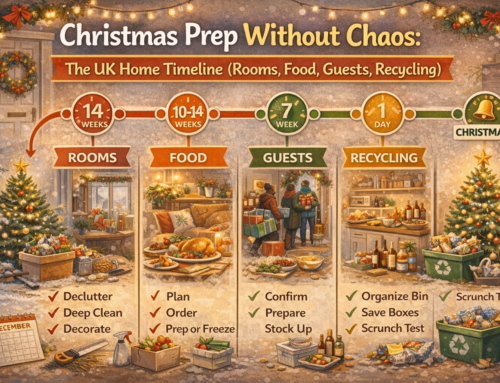
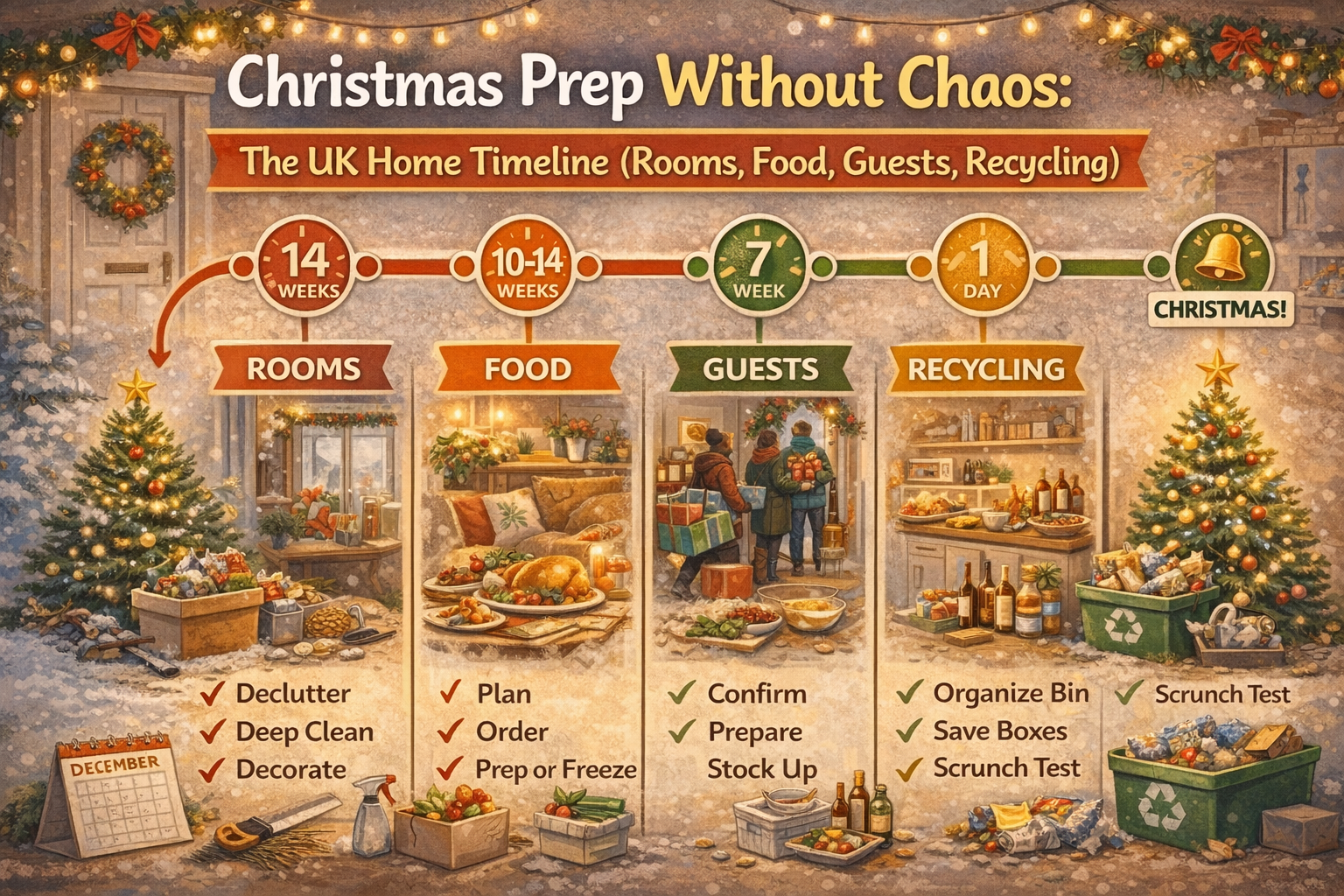
Rushed shopping leads to novelty buys and more packaging. Plan: early December to agree rules, mid‑December to buy, last week for wrapping and final checks.
| Planning option | Who it suits | Key benefit |
|---|---|---|
| Budget cap | Large family groups | Controls spend and reduces excess presents |
| One‑present rule | Households wanting simplicity | Less clutter and fewer returns |
| Secret Santa | Work or friend circles | Fewer items, more thought per present |
Simple agreements save time and cut waste by lowering returns and filler buys. A short plan makes the whole season calmer for family and friends.
Choose presents that won’t become clutter: a practical gift selection checklist
A quick swap in what you buy can stop many items from becoming clutter later in the year.
Start with a simple “used weekly” test. Ask: will this be picked up every week, or will it sit unused in a drawer? If not, steer away from novelty items that quickly clutter the home.
Reliable categories that get regular use
Choose items that are replaced or used often. Think quality socks, kitchen tools, hobby refills, skincare staples or an upgrade to something they already own.
Consumables and experiences
Consumables and experiences cut long‑term waste. Local chocolates, a coffee subscription or theatre vouchers suit people who say they “have everything”. They create memories, not clutter.
Reduce returns with a quick compatibility check
Before you buy, check size, style, duplicate ownership and tech compatibility. This reduces returns and the chance items are discarded.
Second‑hand and vintage options
About a third of Brits (32.8%) would consider second‑hand presents. Charity shops, vintage markets and reseller platforms often offer better-made items and unique finds.
| Choice | Why it works | Quick check |
|---|---|---|
| Used‑weekly items | Regular use means less long‑term clutter | Will they use it every week? |
| Consumables & experiences | No lasting item to store | Is it consumable or redeemable? |
| Second‑hand classics | Unique, durable pieces with character | Is it in good condition and useful? |
- Will they use it?
- Do they already own it?
- Will it fit or be compatible?
- Can it be repaired or refilled?
Reduce packaging and delivery waste when shopping
A single purchase can travel hundreds of miles in layers of packaging before it reaches your door. That journey often adds boxes, tape and plastic that end up in the bin this period.
Spot overpacked items and pick lower‑waste alternatives
Watch for red flags: oversized boxes, multiple plastic layers, shrink wrap and decorative finishes that cannot be recycled. These signs mean more rubbish and more effort to sort.
Choose minimal‑pack brands, refillable products or cardboard‑only packs. Buying loose where possible also removes unnecessary materials from the supply chain.
Support local makers and simpler materials
Independent sellers often use plain paper and fewer void fillers. Buying from local makers cuts delivery miles and usually reduces excess packaging.
Order smarter online
Consolidate items into one basket, pick fewer delivery days and avoid split shipments. Decline gift boxes when they are unnecessary and ask retailers for plastic‑free packaging where offered.
Keep a tidy reuse box at home for clean brown paper and boxes. Reuse these for wrapping and posting during the year to close the loop and cut household waste.
| Red‑flag packaging | Lower‑waste alternative | Quick benefit |
|---|---|---|
| Oversized boxes, void fill | Right‑sized cardboard | Less bulk, easier recycling |
| Multiple plastic layers & shrink wrap | Cardboard or paper wrap | Fewer plastic bags to bin |
| Decorative laminated finishes | Plain paper or fabric wrap | Recyclable or reusable materials |
Fewer packages and smarter deliveries cut emissions as well as rubbish. Reducing packaging keeps your home neater and lowers the overall footprint of the items you bring in.
Wrap with less waste: cut down on paper, plastic and tape at Christmas time
Small swaps in materials and technique make wrapping kinder to the planet and easier to reuse. Start with quick tests and low-effort tricks that save time and reduce what ends up in the bin.
Why shiny paper often cannot be recycled
Shiny and laminated wrap commonly contains glitter, plastic coatings or glued layers. Countryside council systems often reject these because they contaminate paper recycling.
Try the scrunch test: if the sheet springs back, it usually has plastic or foil. Peel off tape before recycling where your local service accepts clean paper.
Reusable wrap and smarter tape
Use fabric squares, scarves or tea towels for a premium look. Try tsutsumu-style knot wrapping for neat parcels without tape. Source cloth from charity shops, remnant bins or old pillowcases to keep costs low.
Swap plastic tape for brown paper tape or washi paper tape to make recycling easier and cut plastic use. Keep bags, ribbons and clean delivery packaging to reuse next year and store them in one box.
| Tip | Why it helps | Quick action |
|---|---|---|
| Scrunch test | Shows foil/plastic content | Scrunch and check spring-back |
| Fabric wrap | Reusable and stylish | Use scarves or charity-shop finds |
| Paper tape | Better for recycling | Buy brown paper or washi tape |
Rethink Christmas cards, crackers and single-use seasonal items
Sentiment need not equal surplus: a few small changes make cards and crackers kinder to the planet and easier to store.
Cards are tradition-heavy, yet roughly one billion cards are thrown away every year and about 30,000 tonnes of paper cards are discarded annually. Keep the ritual but cut the volume by sending to a tighter list and choosing recycled paper cards without glitter or foil.
Turn favourites into decorations or reuse card fronts as gift tags the following year. A short personal message by text or email can also replace a physical card for distant contacts.
Crackers are another source of discarded christmas clutter. Many contain mixed materials and tiny plastic toys that quickly end up in the bin.
Choose reusable or refillable crackers and keep refills simple: jokes printed on recycled paper, small chocolates wrapped in foil, or tiny puzzle cards. These options keep the fun while cutting single-use items.
| Item | Lower‑impact option | Quick benefit |
|---|---|---|
| Paper cards | Recycled card, no glitter | Easier to recycle and store |
| Crackers | Fabric or refillable sets | Reusable and cheaper long term |
| Received cards | Keep favourites as decorations | Reduces immediate throw‑away volume |
| Small crackers fillers | Paper jokes, edible treats | Less plastic, more useful |
Practical note: check your local council guidance on glittery cards and mixed-material items before recycling. Try one swap this year — fewer cards or a set of reusable crackers — and build the habit every year.
Prevent food waste while still doing a proper Christmas dinner
A proper roast and fewer leftovers are easy to achieve with one clear plan. Around 230,000 tonnes of festive food is thrown away each year, and two thirds of people admit to buying more than they need. You can still enjoy the big day and reduce what ends up in the bin.
Shop to a realistic plan
Count guests, list meals across the day and size portions. Stick to one menu per meal and avoid duplicate side dishes. This stops last‑minute top-ups and extra items at the till.
Make leftovers easy to find
Use clear containers and place them at the front of the fridge. Label with the day and contents so nothing goes out of sight. A dedicated shelf for leftovers saves time and keeps your home organised.
Use‑up ideas and freezing tips
- Shred sprouts into a lemony slaw or add to salads.
- Turn leftover cream into butter or quick sauces.
- Use extra cheese for toasties or casseroles.
- Roast potato leftovers become hash or a pie topping.
| Action | Why it helps | Quick tip |
|---|---|---|
| Portion & freeze | Less thrown away | Cool quickly; freeze meal-sized portions |
| Label clearly | Stops forgetting | Day and contents on lid |
| Planned leftover meal | Saves time | Boxing Day pie or soup |
Small steps cut household food waste, reduce bin trips and make the week after the feast calmer for family and home.
Decorations, Christmas trees and lights: avoid the January throw-away
The way we choose and store trees and decorations shapes how much is thrown out each January.
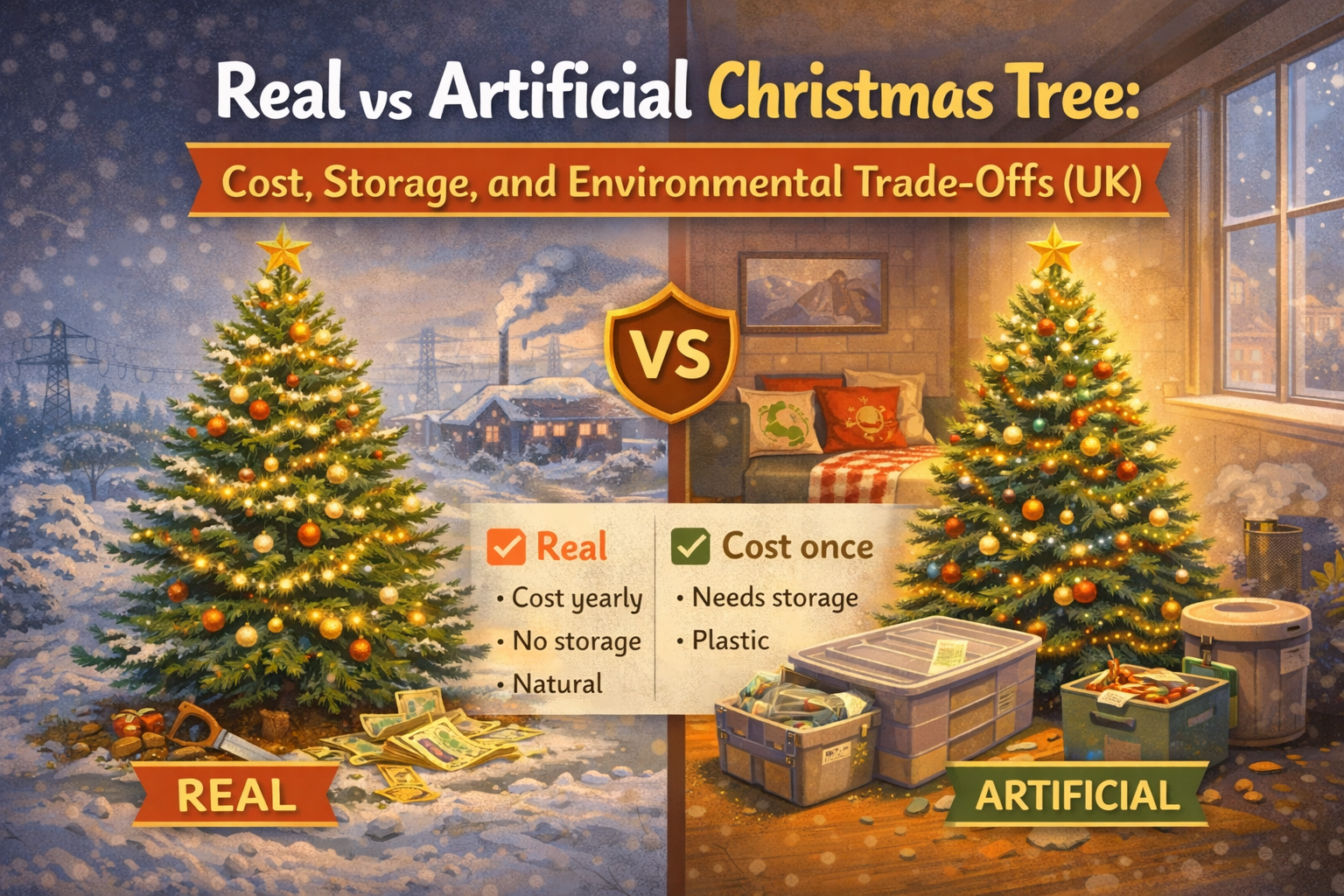
Real or artificial? A simple trade-off
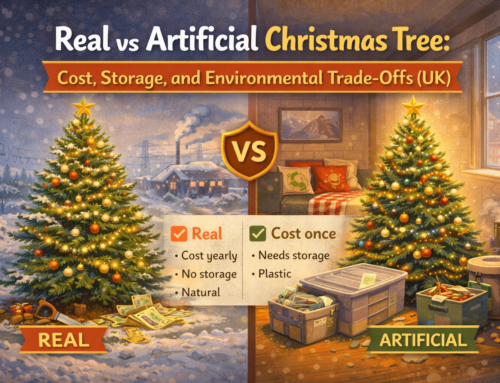
Real christmas trees can be composted or chipped if handled correctly. Around eight million real trees are disposed of each year, creating roughly 12,000 tonnes of material (NLWA, 2024).
Artificial trees show up in more than half of homes (55.5% use them). They need many years of reuse to offset their carbon footprint. Choose based on how long you will keep and how you will dispose of the tree.
Dispose and recycle responsibly
Use council collections, local drop-off points or community chipping events to keep trees out of landfill. Garden composting and chipper services turn real trees into mulch rather than bin content.
Lights, batteries and durable decorations
About 500 tonnes of lights and millions of single-use batteries are discarded each season. Test and repair lights; choose rechargeable batteries and recycle old ones at WEEE points.
Buy sturdy baubles, repair garlands and store items in labelled boxes to prevent breakage and repeat buys.
- January checklist: label boxes, note unused decorations, pack lights neatly and recycle spent batteries.
- Think “buy once, use for years” to reduce replacements during the next period.
| Item | Tip | Benefit |
|---|---|---|
| Real tree | Use local chipping/compost | Reduces tonnes sent to landfill |
| Artificial tree | Keep for many years | Better lifecycle impact over time |
| Lights & batteries | Repair, recharge, recycle | Fewer electricals in general waste |
What to do with unwanted gifts so they don’t go to landfill
A single short sorting session after the holidays can keep usable items circulating instead of heading to the bin.
Regift thoughtfully
Regifting is fine when done with care. Keep items unopened and clean. Match the present to the new recipient’s tastes and explain why you think they will enjoy it.
For work colleague presents — a 2025 survey found 16.55% say those are most likely to be thrown away — suggest next year’s Secret Santa uses wishlists, edible‑only rules, or a shared charity option.
Donate and rehome
Charity shops, toy banks and local community groups take well‑kept toys and household items. Donate early: demand is highest in January.
Resell and swap
Use trusted resale platforms or local swap events. Bundle low‑value items to make posting worth your time. Swapping keeps items useful and often brings a small return.
Recycle what can’t be reused
Separate paper, card and plastic packaging before recycling. Check council guidance to avoid contamination and reduce the £42 million of unwanted presents sent to landfill each year (Defra, 2024).
| Option | Best for | Quick tip |
|---|---|---|
| Regift | New, boxed items | Match recipient and keep tags |
| Donate | Toys, homewares | Give early to charity shops |
| Resell/Swap | Branded or higher‑value items | Bundle and use trusted sites |
Conclusion
Practical choices now make the post‑season tidy‑up much easier later. Small shifts — plan early, buy items someone will use weekly, cut excess packaging and use reusable wrapping — mean fewer items to sort after the big day.
Manage food with a realistic plan to reduce leftovers and avoid things that are soon thrown away. Simple swaps to paper or fabric wrap and fewer single‑use plastics can halve the amount of discarded christmas materials in the home.
Pick one manageable change next year: reusable wrap, refillable crackers or a Secret Santa. Share the plan with the people you buy for and turn these small steps into a lasting habit.