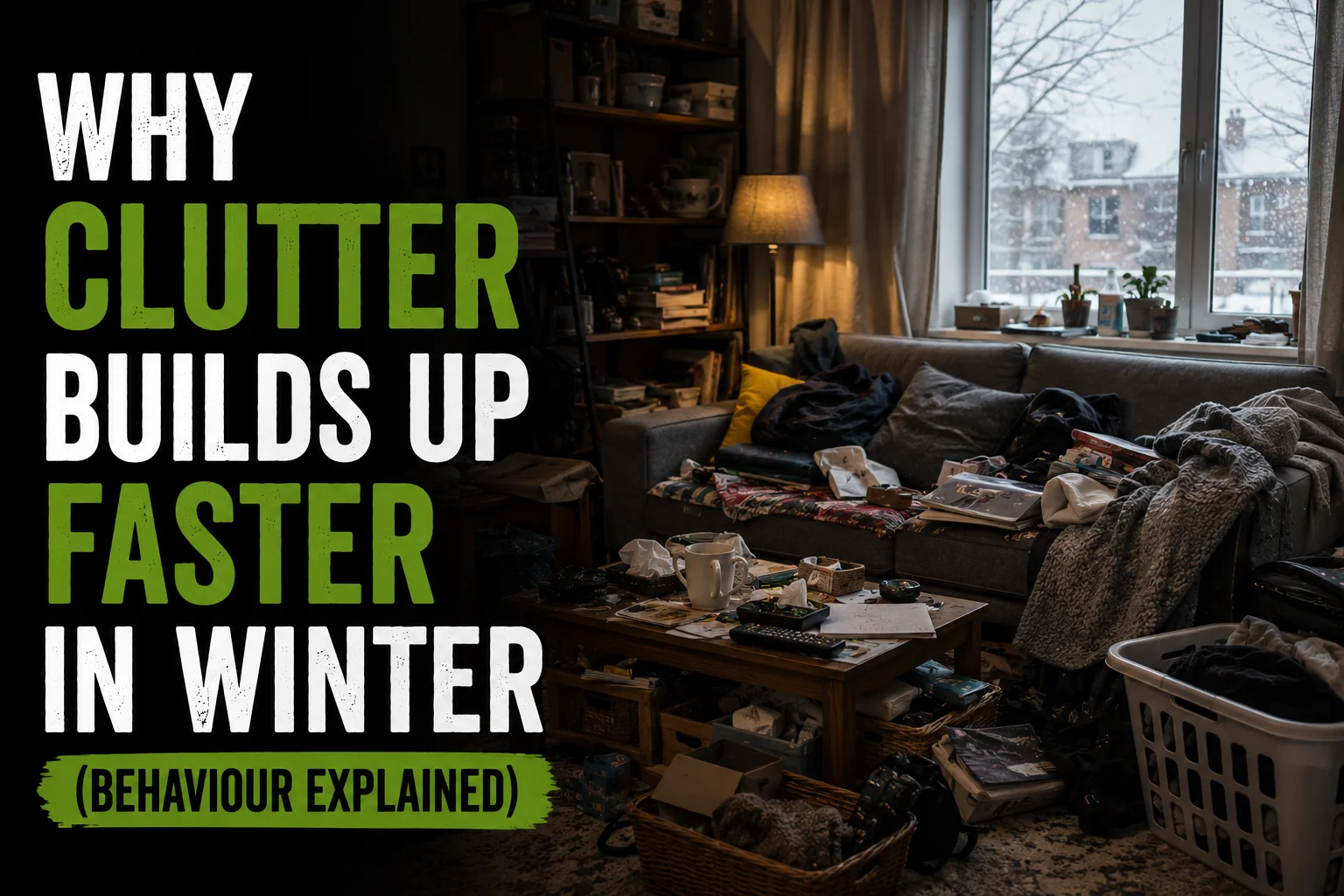
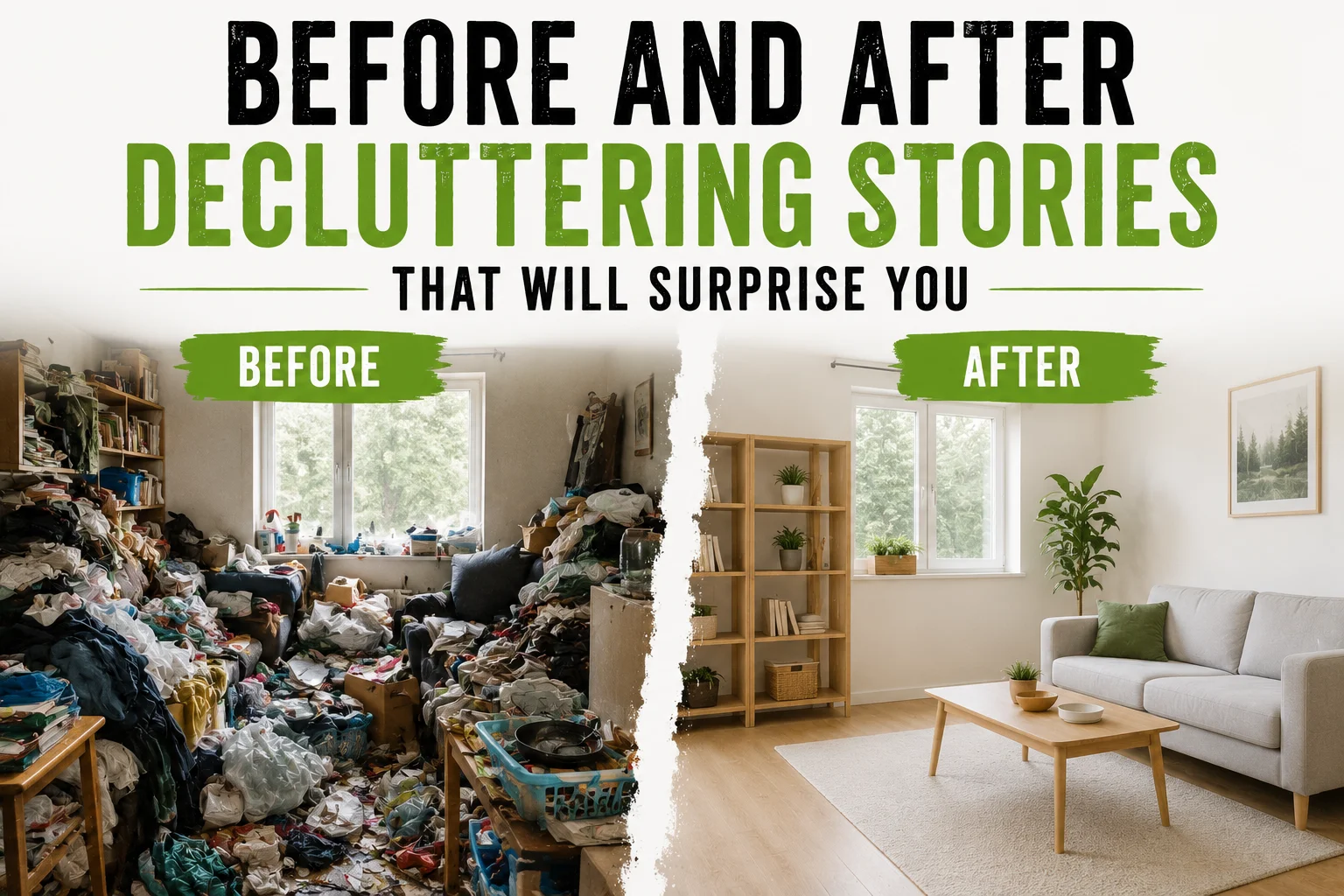
In today’s fast-paced world, many find themselves surrounded by broken items and unused belongings. This accumulation often happens without conscious thought, leading to a sense of overwhelm. Understanding the psychology behind this behaviour is crucial. It helps to unravel the emotional ties and practical reasons that drive individuals to hold onto things they no longer use.
This article aims to explore the reasons behind this phenomenon, highlighting that it is not merely about aesthetics. Clutter can impact mental health and daily routines. As Dr Joseph Ferrari notes, clutter differs from hoarding, and most of us reside in a middle ground where our homes function but may feel uneasy.
Moreover, modern life pressures can intensify this situation. With homes often serving multiple purposes, the space can quickly feel cramped. This guide will provide non-judgemental strategies to reclaim your home and restore a sense of calm.

Key Takeaways
- Understanding emotional attachment and regret aversion.
- Learning how untidy spaces raise stress and harm focus.
- Discovering practical decluttering techniques like time-boxing.
- Recognising when hoarding disorder requires professional support.
- Applying advice relevant to the UK context, including local resources.
Understanding Clutter and Why People Keep It
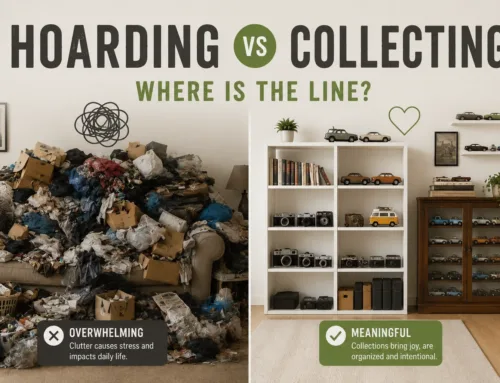
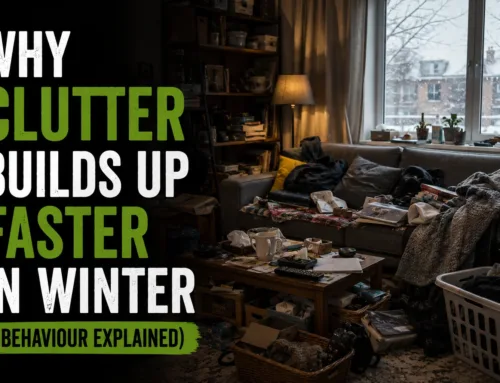
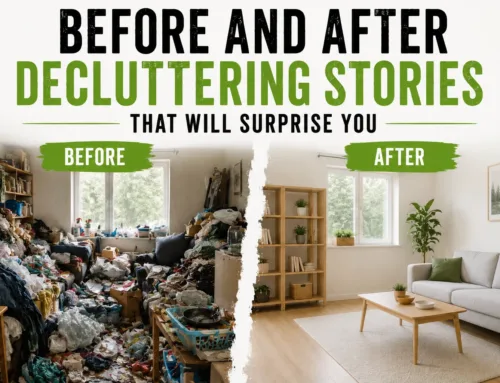
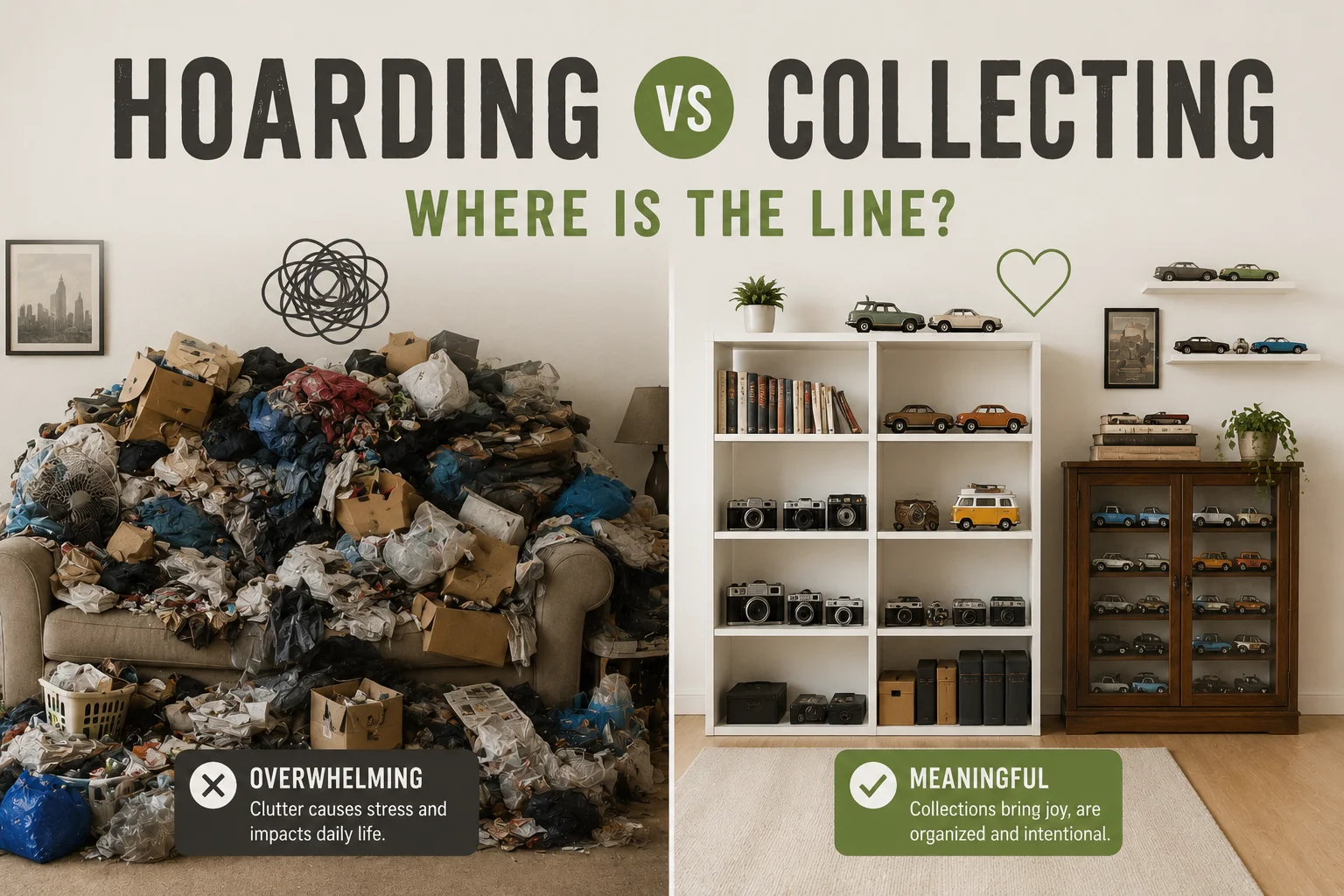
Countless homes feature a mix of unused belongings and broken items that often go unnoticed. Clutter is defined as an overabundance of possessions that creates a chaotic and disorganised living space. It is not simply a messy room after a busy day but a persistent state where accumulated items reduce the function and usability of the home.
In the context of UK homes, where properties are often smaller, physical clutter makes spaces feel even more cramped. Everyday untidiness, such as shoes by the hall or pots on the kitchen worktop, can be normal. However, when a spare room cannot be used or a dining table is cluttered to the point of being unusable, it signals a deeper problem with excess volume and poor storage fit.
Signs of clutter include:
- Unused items accumulating in drawers.
- Multiple junk drawers overflowing with forgotten stuff.
- Repeatedly buying replacements because original things are lost among the mess.
- Blocked access to cupboards, garages, or sheds.
Clutter acts as an environmental load on the brain, constantly competing for attention and signalling unfinished tasks. This raises tension and stress, even during moments of relaxation at home. Digital clutter, such as full inboxes and disorganised files, mirrors the feeling of walking into a cluttered room, affecting focus and productivity during work hours.
Many individuals do not recognise their own clutter because it builds gradually over time. Small habits—like leaving post on the side or holding onto broken items—can turn into an invisible backlog. Understanding what clutter truly is, in both its physical and digital forms, is the essential first step before exploring the psychological reasons behind keeping things.
To self-assess your home, consider whether key spaces like the dining table, spare room, or kitchen worktops are usable for their intended purposes. If clutter has quietly taken over these areas, it may be time to take action.
The Psychology Behind Keeping Broken or Unused Items
Many individuals find themselves holding onto broken or unused items, often without realising the emotional significance attached to these possessions. The reasons for this behaviour are deeply rooted in psychology, revealing how our attachments to things can shape our lives.
Emotional Attachment and Identity: Why Objects Represent More Than Themselves
Belongings often carry meanings that extend beyond their mere utility. They can represent our identity, past roles, and future aspirations. Letting go of these items can feel like losing a part of oneself. For instance, keeping old clothes that no longer fit may signify a connection to a former self, while gym equipment might reflect an aspiration for a healthier lifestyle.
Memory, Sentimentality and Keepsakes
Items such as photographs, inherited objects, and gifts serve as physical memory aids, anchoring us to significant moments in our lives. However, it is important to recognise that memories do not require every single item to remain alive. The act of decluttering can be challenging, as the emotional weight of these possessions can make it difficult to part with them.
Fear, Regret Aversion and Comfort-Seeking Behaviours
Fear of waste, the potential need for an item later, and regret aversion often keep cupboards full. This “just-in-case” mindset can lead to a cluttered environment, trading present space for hypothetical future readiness. During uncertain times, such as bereavement or job loss, possessions can provide a sense of predictability and control, creating comfort even amidst chaos.
Jenn Jordan, founder of Orjenise, identifies three common patterns of attachment:
- Aspirational Self: Holding onto unused gym equipment or language textbooks, representing unfulfilled goals.
- Sunk-Cost Self: Retaining items due to the money spent on them, despite their lack of use.
- Nostalgic Self: Clinging to “spirit tokens,” like old toys or CD collections, as proof of a former identity.
Caroline Rogers notes that individuals often keep seemingly worthless objects because they act as talismans from significant life experiences. The real fear lies not in the mess but in the erasure of memories. Understanding these psychological drivers is crucial for selecting the right decluttering approach, as directly confronting these feelings can lead to resistance.
Recognising that these emotional attachments are natural human responses is the first step towards making compassionate choices about what to keep and what to release. By understanding our patterns, we can navigate the decluttering process with greater ease.
How Clutter Affects Mental Health and Wellbeing
The presence of disarray in one’s living environment can significantly impact mental wellbeing. Research indicates that visible mess at home correlates with heightened stress levels. One study found that women reporting more clutter had higher cortisol levels throughout the day compared to those in less cluttered spaces. This highlights a direct physiological effect on health.
Household chaos, characterised by constant visual noise, unfinished chores, and unclear routines, fosters negative emotions. This environment creates a persistent sense of being out of control, preventing the home from serving as a sanctuary for rest and recovery.
Moreover, visual overload from too many items bombards the senses. This forces the brain to work harder to filter stimuli, leading to mental fatigue and reduced concentration. The ability to focus on important tasks diminishes as clutter competes for attention.
Dr Joseph Ferrari’s 2018 study published in Current Psychology established a clear link between clutter and procrastination. Individuals with messy spaces tend to delay tasks more frequently, resulting in greater feelings of being overwhelmed and ineffective time management.
Practically, clutter creates friction in daily life. Losing keys, searching for misplaced items, or shifting piles to use a surface can drain time. These repeated two-minute searches accumulate, stealing hours each week and lowering productivity at home and work.
A cluttered bedroom can disrupt sleep as well. Visible objects serve as reminders of unfinished tasks, keeping the nervous system alert. This makes it harder to fall asleep, stay asleep, and achieve deep, restorative rest. Poor sleep then lowers patience and motivation the following day, creating a vicious cycle that exacerbates mental health issues.
It is essential to understand that clutter is not merely an aesthetic problem. It acts as a genuine environmental stressor affecting mental health in measurable ways. Addressing it is an act of self-care rather than a superficial pursuit of a picture-perfect home.
Reassuringly, the goal is not to create a showroom-clean space but to foster a calm and usable environment that supports wellbeing. Even small improvements, such as clearing a bedside table or establishing one clutter-free zone, can yield noticeable benefits for stress reduction and sleep quality.
As we explore the mental health impacts of clutter, it becomes evident that these effects ripple outward into relationships and social life, creating additional layers of stress and isolation.
| Impact | Description |
|---|---|
| Stress Levels | Higher cortisol levels linked to cluttered environments. |
| Focus | Visual overload leads to mental fatigue and reduced concentration. |
| Procrastination | Messy spaces correlate with delayed tasks and overwhelming feelings. |
| Sleep Disruption | Visible reminders of unfinished tasks hinder restful sleep. |
| Time Drain | Repeated searches for items accumulate into significant time loss. |
The Social and Relationship Impact of Clutter
The dynamics of shared living spaces can often become strained when clutter accumulates, leading to interpersonal conflicts. In homes where multiple individuals reside, clutter can become a source of ongoing tension. Arguments frequently arise from one person feeling nagged about the mess, while the other perceives themselves as unfairly targeted or ignored regarding their belongings.
These repeated disputes elevate stress levels for everyone involved, reducing cooperation and turning what should be a shared sanctuary into a battleground. Over time, resentment can build, creating an environment where communication breaks down.
Many individuals experience social embarrassment due to clutter. This can lead to a reluctance to invite friends, family, or neighbours into their homes. Consequently, social engagements such as playdates for kids or dinner plans often get cancelled, fostering a gradual withdrawal from social life.
The habit of avoiding hosting, born from shame about the state of the home, can increase feelings of loneliness. This emotional weight adds strain to already delicate relationships, perpetuating a cycle where isolation deepens and the motivation to tackle clutter diminishes further.
Research indicates that background visual noise in cluttered environments can hinder emotional recognition. This effect can occur both on screens and in face-to-face conversations, leading to misunderstandings and reduced empathy among those sharing the space.
Dr Joseph Ferrari highlights an important caution: pressure backfires. When requests to clear clutter become demands, resistance often arises. This is because the individual feels their sense of control over their life and space is threatened.
To alleviate conflict in shared homes, practical compromises can be established. For instance, agreeing on specific areas that must remain clutter-free, such as the dining table or sofa, allows for personal zones where each individual retains autonomy. This approach reduces friction without making anyone feel bulldozed.
Moreover, it is essential to acknowledge the gendered dimension of clutter shame. Research shows no significant gender difference in actual clutter levels; however, women often bear the brunt of social pressure and judgement for a messy home. In contrast, men’s clutter is frequently reframed as “toys” or “collections.”
Resolving tensions related to clutter requires communication, mutual respect, and realistic expectations. Short weekly check-ins about shared spaces can be more effective than demanding perfection or an overnight transformation.
Understanding the social and relationship impacts of clutter naturally leads to questions about what triggers the accumulation in the first place, particularly in today’s consumer-driven culture.
Common Triggers for Accumulating Clutter Today
Modern life inundates homes with more items than can be effectively managed in a week. This accumulation often occurs without much thought, leading to overwhelming clutter. Understanding the triggers can help individuals take control of their living spaces.
Emotional Shopping and the Influence of Consumer Culture
Emotional shopping has become a primary trigger for clutter accumulation. Many find that purchasing items can provide a quick mood lift, especially during stressful times. However, this short-term relief often results in unused items piling up at home.
Consumer culture, fuelled by targeted advertising and social media, pushes a “treat yourself” mentality. Influencer-led trends and constant sales promotions lead to an influx of stuff that many do not have the time or space to process. As a result, homes fill up faster than individuals can organise.
The “Just-in-Case” Mindset and Fear of Scarcity
The “just-in-case” mindset significantly contributes to clutter. Many individuals hold onto broken items, old technology, and duplicates due to a fear of future need or regret. This mindset trades valuable present space for hypothetical scenarios that may never occur.
These behaviours often stem from deeper psychological roots. Generational experiences of hardship may lead to a tendency to hold onto things as a survival strategy. Inherited beliefs about scarcity can make it difficult to let go of items, even when they no longer serve a purpose.
Digital Clutter and Convenience in Modern Life
Digital clutter is another modern trigger that often goes unnoticed. Constant notifications, overflowing email inboxes, and endless scrolling create cognitive noise similar to physical mess. This overload can lead to feelings of being overwhelmed and stressed.
As new items and information flood in, individuals may struggle to keep up, resulting in a gradual build-up of clutter. The combination of emotional shopping, consumer pressure, and digital overload creates a perfect storm, making it challenging to manage possessions effectively.
Recognising these triggers is empowering. It shifts the focus from self-blame to understanding the external forces at play. This understanding makes it easier to develop targeted strategies for managing the flow of new items into the home.
When these triggers lead to severe distress or unsanitary conditions, it may indicate a deeper issue that requires professional help. The next section will address when clutter becomes hoarding disorder.
When Clutter Becomes Hoarding Disorder: Signs and Support
Recognising when clutter transforms into hoarding disorder is crucial for maintaining a healthy living environment. Hoarding disorder is a recognised psychiatric condition that involves persistent difficulty in discarding items and organising belongings. This condition can significantly impact daily life and overall wellbeing.
Key warning signs that indicate clutter may have crossed into hoarding territory include:
- Rooms that are so cramped that essential features like beds, cookers, or baths become inaccessible.
- Pathways narrowed by stacked items, making navigation difficult.
- Key living spaces losing their intended function entirely, such as a dining room becoming a storage area.
Additionally, hoarding disorder poses various health and safety risks. Unsanitary build-up can lead to mould growth, pest infestations, and fire hazards. Items blocking exits or being too close to heat sources can create dangerous situations, emphasising the need for professional intervention.
Research has established links between hoarding disorder and other mental health conditions. Studies indicate that 28-32% of individuals with ADHD exhibit clinically significant hoarding symptoms. There are also established connections with OCD, anxiety disorders, and depression.
Major life events can trigger or worsen hoarding behaviours. Experiences such as bereavement, redundancy, divorce, or a house fire can disrupt normal coping mechanisms, intensifying the need to hold onto possessions for comfort and security.
For those in the UK seeking help, it is advisable to contact a GP as a first step. Exploring NHS talking therapies or consulting a specialist therapist experienced in hoarding disorder can be beneficial. Cognitive Behavioural Therapy (CBT) is particularly effective for improving decision-making and regaining control.
The Association of Professional Declutterers & Organisers (APDO) serves as a valuable resource. They connect individuals with accredited professionals who specialise in chronic disorganisation, offering practical, non-judgemental support that goes beyond aesthetic tidying.
It is important to emphasise that seeking help is a sign of strength, not weakness. Early support can reduce the risk of the situation worsening, restore usable spaces, and significantly improve quality of life for both the individual and their family members.
Addressing the emotional complexity of hoarding disorder is essential. Many individuals experience intense shame and distress related to their condition. Professional support provides the right tools and strategies to manage hoarding disorder compassionately and effectively.
For the majority of individuals whose clutter does not meet the clinical threshold for hoarding disorder, there are effective, manageable decluttering techniques that can be implemented immediately at home.

Practical Decluttering Techniques to Overcome Overwhelm
The journey to reclaiming your space begins with practical strategies that can make decluttering feel achievable. By implementing structured methods, individuals can tackle the overwhelming task of sorting through their belongings.
Time-Boxing: Starting Small and Building Momentum
One of the most effective decluttering techniques is time-boxing. Setting a realistic time block—whether five minutes, fifteen minutes, or an entire evening—lowers the psychological barrier to starting. This prevents the task from expanding into an exhausting all-day ordeal.
Start small by focusing on a single drawer, shelf, or corner. Small, repeated sessions add up over time and protect against burnout, which often leads many to abandon their decluttering efforts.
The Four-Pile Method: Keep, Donate, Bin, Decide Later
The four-pile method is a simple, decision-fatigue-reducing system. Create four distinct piles:
- Keep: Items that are genuinely used and valued.
- Donate: Things in good condition that could benefit others.
- Bin: Broken or expired items that need to be discarded.
- Decide Later: Items that require further contemplation, with a strict review date to prevent indefinite postponement.
Quick Wins and Responsible Disposal: UK Tips
Begin any decluttering session with quick wins. Clear away rubbish, expired toiletries, broken items that cannot be repaired, and obvious duplicates. This creates visible progress, lowers anxiety, and builds momentum for tackling more emotionally challenging possessions.
Utilise the “used in the last year” rule as a practical default for decision-making. Sensible exceptions can be made for seasonal gear, formalwear, and essential documents that must be retained.
Enlist a trusted friend or family member to help during decluttering sessions. Accountability speeds the process and provides emotional support when decisions feel heavy. They can also offer an outside perspective that may help break through attachment to certain items.
For responsible disposal in the UK, consider donating to charity shops such as Oxfam, British Heart Foundation, Cancer Research UK, or Sue Ryder. Local council recycling centres are also available for items that cannot be donated. WEEE (Waste Electrical and Electronic Equipment) schemes ensure safe recycling of old electronics, while textiles recycling points accept worn fabrics unsuitable for charity shops.
If anxiety spikes during the process, take a break and return to a smaller, more manageable task. Remember, repeated, manageable sessions and sensible support are the most sustainable way to reclaim space at home.
Once the initial decluttering is underway, the next step is to establish organisational systems that prevent clutter from returning, which will be explored in the following section.
Organising Your Home to Prevent Clutter’s Return
A well-structured home is key to keeping clutter at bay and maintaining a peaceful environment. By organising your space to align with your daily routines, you can significantly reduce the likelihood of items drifting back onto surfaces.
Prioritising calm, usable surfaces in high-traffic areas, such as kitchen counters, the dining table, and your desk, is essential. Clear surfaces lower visual noise, making it easier to focus and feel at ease in your home.
Consider this powerful question from Caroline Rogers: “What do you want to do in this room? How do you want to feel?” Understanding the purpose and emotional experience of each space can help you make better decisions about what belongs there.
Maintaining Calm, Usable Surfaces to Protect Focus
To keep your home organised, focus on maintaining clear surfaces. This will protect your focus and enhance the overall functionality of your living space.
Storage Solutions That Fit Your Real Daily Routines
Practical storage solutions are vital. Place daily items where they are naturally reached for, such as:
- A key bowl by the front door for easy access to your keys.
- A post-sorting tray near the entrance for incoming mail.
- A labelled folder for important documents, easily accessible on your desk or kitchen table.
Be cautious of the common mistake of buying numerous plastic storage boxes. As Jenn Jordan warns, storage is not a cure for clutter; it merely delays the inevitable. The real work lies in deciding what deserves space in your home.
Consider the concept of “zones” within your home. Store items as close as possible to where they are actually used. This reduces friction and encourages tidiness without constant effort.
Regularly reassess your organisational systems as life changes. What worked when children were toddlers may not be effective when they are teenagers. Adapting your approach ensures that your home remains functional and organised.
The goal is not to create a showroom-perfect home but to foster a living space that supports wellbeing and reduces stress. A well-organised home can significantly lower cognitive load and decision fatigue, allowing you to focus on what truly matters in your life.
| Key Organisational Strategies | Description |
|---|---|
| Clear Surfaces | Maintain calm, usable surfaces in high-traffic areas to lower visual noise. |
| Daily Item Storage | Place items where they are naturally accessed to fit real routines. |
| Regular Reassessment | Adapt organisational systems as life changes to ensure continued effectiveness. |
| Zone Concept | Store items close to their use location to reduce clutter. |
| Mindful Decision-Making | Focus on what deserves space in your home rather than temporary storage solutions. |

Changing Your Mindset Around Possessions and Clutter
Transforming the way we perceive our belongings can lead to a more harmonious living space. Embracing a new mindset about possessions is essential for lasting freedom from clutter. This shift moves from a scarcity-based fear of letting go towards an abundance-based trust that one will have what is needed when it is needed.
Using mindfulness during decluttering can enhance this transformation. Engaging all the senses—feeling textures, observing colours, and acknowledging the memories tied to each item—can change the process from a stressful chore into an opportunity for self-discovery and reflection.
Using Mindfulness and Gratitude During Decluttering
Gratitude-based decluttering is another powerful approach. Individuals can thank items for the roles they have played in their lives before releasing them. This practice acknowledges that while the physical object can be let go, the love, memory, and experience it represents remain intact.
Caroline Rogers introduces the concept of tenderness in decluttering, advocating for a compassionate refusal to reduce a person to their clutter. Instead of asking, “Why can’t I just get rid of it?” consider, “What am I really holding on to?” This gentle questioning can lead to profound insights.
Overcoming the Fear of Letting Go and Embracing Abundance
Narrating an object before releasing it can be therapeutic. Sharing what an item meant, who it came from, and what chapter of life it represents makes letting go more imaginable. Once the meaning is witnessed and honoured, the physical stuff can depart.
Fear of letting go often stems from deeper concerns about losing identity or being wasteful. However, passing an unused item to someone who will genuinely appreciate it is not loss but generosity. Understanding this connection between clutter and identity can empower individuals to make conscious choices about their possessions.
Encouraging readers to define what they want their home to feel like and the activities they wish to pursue in each room can help. A clear vision of the desired outcome makes it easier to release items that do not support that vision, shifting the focus from loss to gain.
Changing one’s mindset is a gradual process, requiring self-compassion. The goal is progress, not perfection. Every small decision to let go builds confidence and reinforces a healthier relationship with possessions.
Ultimately, the difficulty of letting go is a deeply human response to objects that have carried meaning. Approaching decluttering with mindfulness, gratitude, and tenderness honours those meanings while creating space for new experiences and a calmer, more intentional life.
Conclusion
Clutter is not a character flaw; it often reflects emotional struggles and unresolved feelings. Understanding the roots of this accumulation is the first step towards meaningful change. The aim is not to create a perfect, minimalist home but to foster a space that supports wellbeing and reduces stress.
Sentimentality and loyalty to past selves are human qualities to be honoured. Releasing unused items to charity or recycling is not loss; it is an act of generosity. Lasting change must come from within, as external pressure may only provide temporary relief.
Practical strategies, such as time-boxing and the four-pile method, can help anyone reclaim their space. Remember, small, repeated sessions lead to progress, not perfection. Encourage open communication with family members about shared spaces, recognising that clutter-related conflicts often stem from deeper needs.
For UK readers, resources like NHS talking therapies and local charity shops provide valuable support. Ultimately, the question to consider is not “Why can’t I just get rid of it?” but “What am I really holding on to?” This reflection opens the door to a calmer, more intentional life at home.