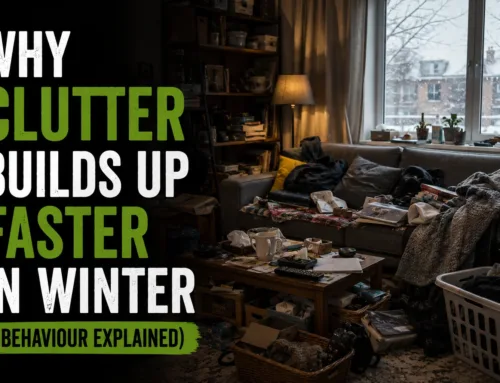
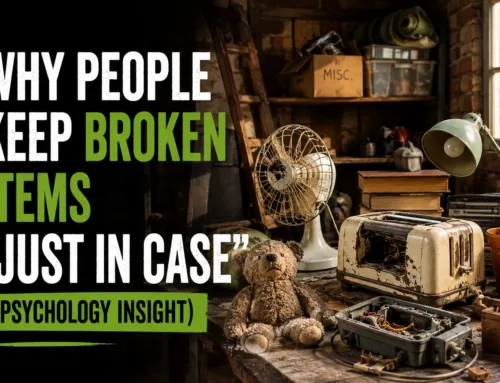
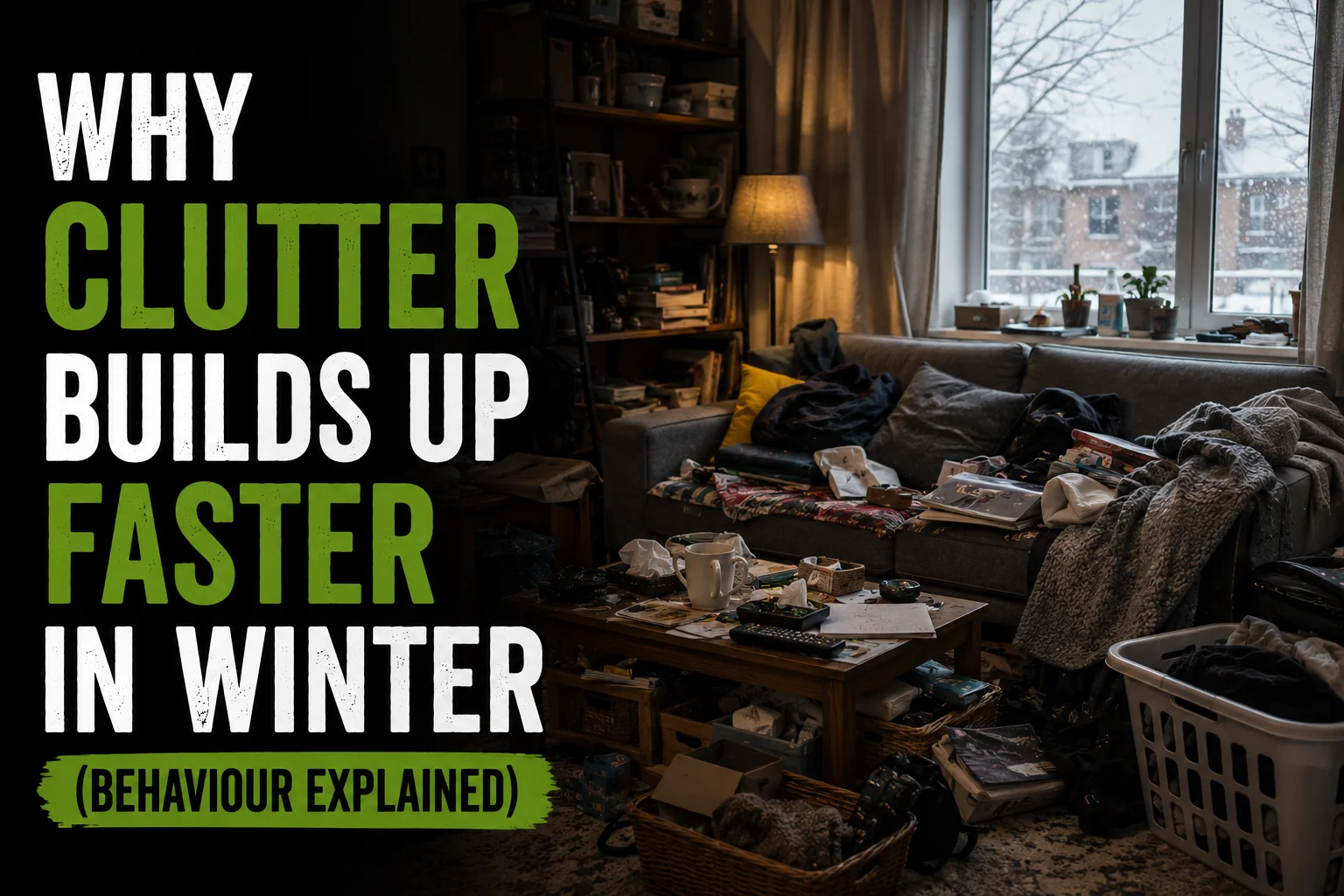
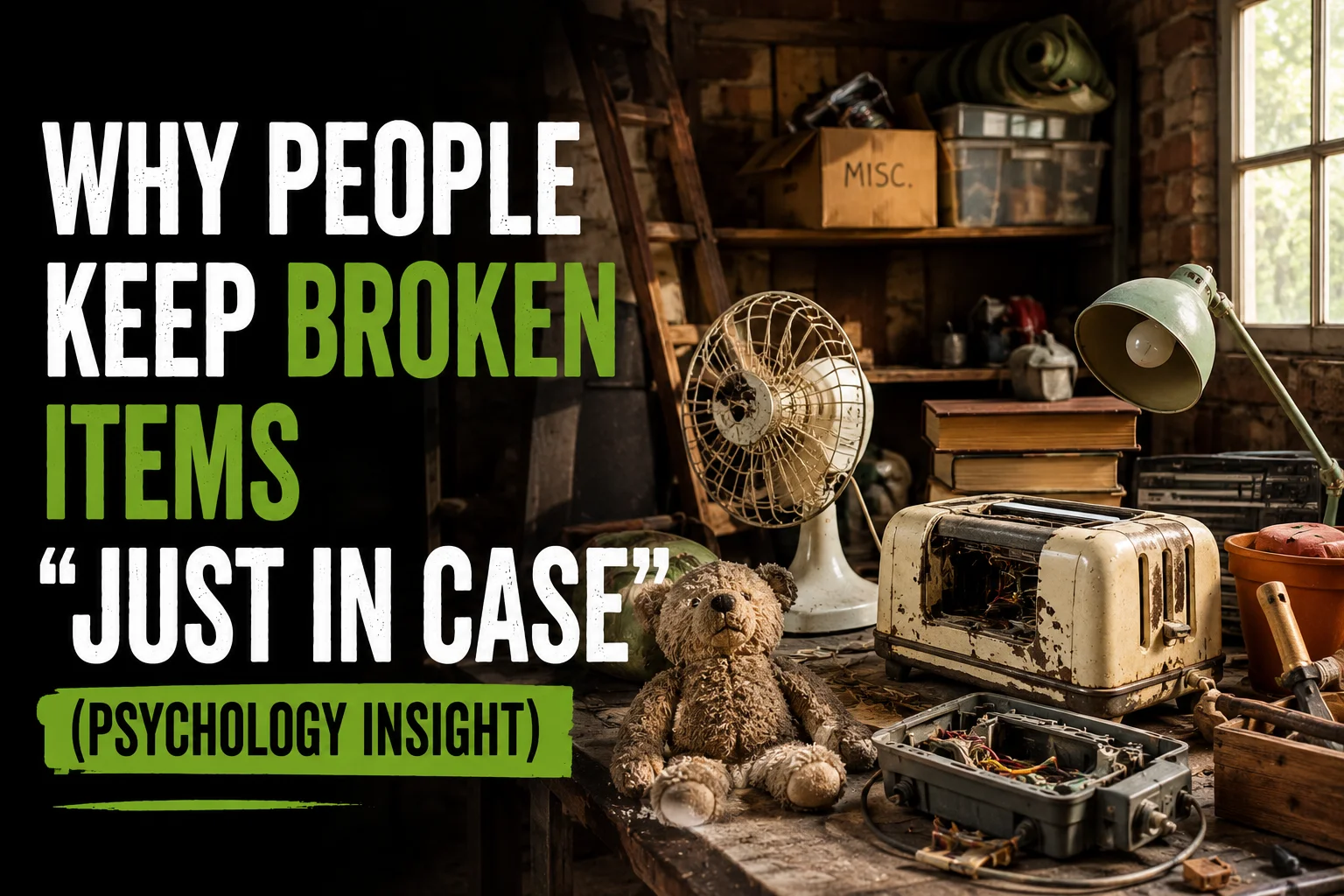
The distinction between hoarding and collecting is often blurred, yet it is crucial to understand the differences. Both behaviours involve acquiring and retaining items, but they stem from different psychological roots and have varied impacts on individuals’ lives. While approximately one-third of the population engages in collecting as a fulfilling hobby, only 2-3 per cent are classified as hoarders, suffering from a serious mental health condition recognised in the DSM-5.
Hoarding disorder is not merely about clutter or having too many possessions; it is a complex condition characterised by an overwhelming difficulty in discarding items, regardless of their actual value. This often leads to living spaces becoming unusable. In contrast, collecting is an organised pursuit that brings joy and pride, allowing individuals to express their interests through curated items.
Understanding the nuances between these behaviours is essential, as misidentification can hinder necessary support for those in need or unfairly label passionate collectors. This article aims to clarify these distinctions, providing insights grounded in research and real-world examples, all while maintaining a focus on the British context.
Key Takeaways
- Recognising the difference between hoarding and collecting is vital for mental health.
- Hoarding disorder affects a small percentage of the population but has significant consequences.
- Collecting is generally a healthy hobby, promoting organisation and enjoyment.
- Misunderstanding these behaviours can delay necessary help for those affected.
- This guide will explore definitions, motivations, and available support.
Understanding Hoarding vs Collecting: Definitions and Key Concepts
Clarifying the distinctions between hoarding and collecting is vital for fostering awareness and compassion. Both behaviours involve the acquisition of items, but they manifest in very different ways.
What is Hoarding Disorder?
Hoarding disorder is a clinically recognised mental health condition, as outlined in the DSM-5. It is characterised by a persistent difficulty in discarding or parting with possessions, regardless of their actual monetary or practical value. This leads to the accumulation of items that congest and compromise living areas.
Individuals with this disorder often experience intense distress at the mere thought of discarding things. Commonly hoarded items include newspapers, containers, clothing, and broken objects. Such accumulation can render homes nearly uninhabitable, obstructing normal activities like cooking or sleeping.
It is important to note that hoarding disorder is distinct from general messiness or disorganisation. This profound psychiatric condition often coexists with other diagnoses, such as depressive disorder and social phobia, affecting approximately 2-3 per cent of the population.
What Constitutes Collecting Behaviours?
In contrast, collecting behaviours are intentional and structured pursuits. Individuals systematically acquire specific items based on a defined theme or passion, deriving enjoyment and intellectual stimulation from their collections. Collectors often take pride in their curated items, which they may display and preserve with care.
These activities can foster social connections, as collectors frequently engage with communities of like-minded enthusiasts. Unlike hoarding, collecting is characterised by organisation and purpose, with collectors often cataloguing their items meticulously.
Distinguishing Features According to DSM-5 and Research
The DSM-5 outlines several criteria for diagnosing hoarding disorder. These include persistent difficulty discarding possessions, a perceived need to save items, and accumulation that congests active living spaces. Clinically significant distress or impairment must also be present, and the behaviour should not be attributable to another medical or mental health condition.
Research from King’s College London, led by Ashley Keller, highlights that the key distinction between a hoarder and a collector lies in the level of organisation. Collectors engage in ritualistic behaviour surrounding the organisation of their items, while hoarders often demonstrate indiscriminate acquisition without such emphasis.
Importantly, collecting behaviours are not classified as a mental disorder. They are viewed as healthy pastimes that can enrich a person’s life, providing purpose and opportunities for learning and social engagement. However, extreme collecting can sometimes border on problematic behaviour.
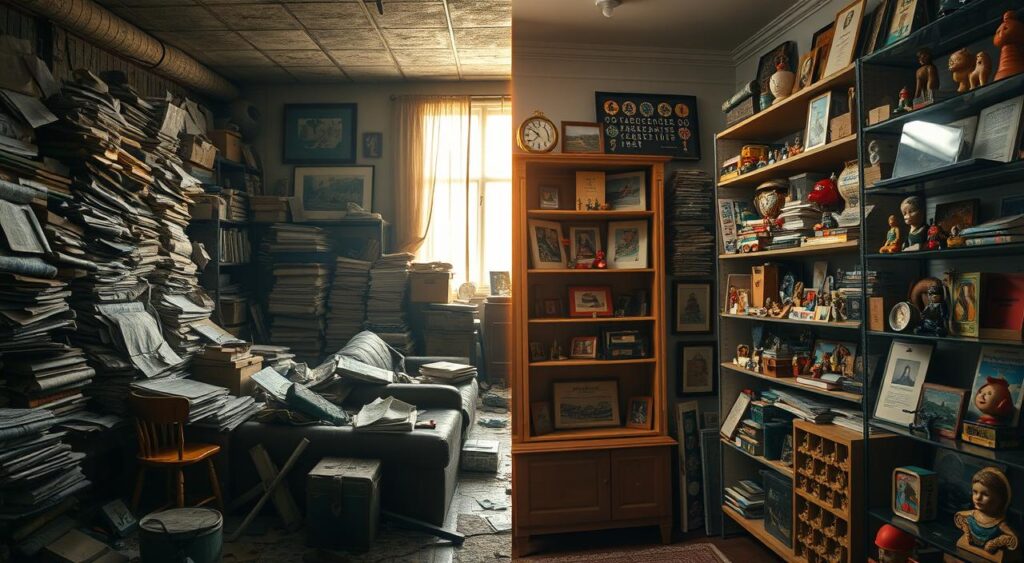
Understanding these definitions is foundational for recognising when a behaviour pattern may require clinical attention versus when it represents a benign or beneficial personal interest. For example, a collector of vintage books will carefully catalogue, shelve, and display their volumes in a dedicated space. In contrast, a person with hoarding disorder may indiscriminately accumulate books, newspapers, and magazines, leading to impassable rooms where the value of items is lost amidst the chaos.
The Psychology Behind Hoarding vs Collecting
Understanding the psychological factors that differentiate hoarding from collecting is essential. Both behaviours arise from complex mental processes, influencing individuals’ lives in unique ways. This section delves into the psychiatric diagnoses associated with hoarding, the motivations behind collecting, and historical perspectives that shape our understanding today.
Psychiatric Diagnoses Linked to Hoarding
Research indicates that over 50% of individuals with hoarding disorder also meet the criteria for depressive disorder. Additionally, approximately 25% experience generalised anxiety disorder or social phobia. Interestingly, fewer than 20% have obsessive-compulsive disorder. This challenges the common misconception that hoarding is merely a subtype of OCD.
The interplay between these co-occurring mental health conditions complicates the treatment of hoarding disorder. Understanding how depression and anxiety intertwine with hoarding behaviours is crucial for effective therapeutic approaches.
Psychological Motivations of Collectors
Collectors often engage in their pursuits for various reasons. These include the desire for mastery, the satisfaction of completing a set, and the intellectual stimulation derived from researching items. The aesthetic pleasure of curating a display and the social rewards from connecting with fellow enthusiasts also play significant roles.
Collecting can serve as a healthy expression of identity. It allows individuals to construct meaning, preserve memories, and engage with history or culture in ways that enrich their psychological well-being.
Historical and Psychoanalytical Perspectives
Historically, Werner Muensterberger’s seminal work, Collecting: An Unruly Passion, proposed that collecting may stem from unresolved childhood anxieties. This perspective suggests that collecting serves as a means of managing early experiences of loss or uncertainty.
However, contemporary experts generally do not view collecting as pathological. Instead, collectors often occupy one end of a normal psychological bell curve, engaging in behaviours that provide genuine fulfilment without causing distress or impairment.
The psychological underpinnings of hoarding differ fundamentally from those of collecting. Hoarding is typically driven by fear of loss, perfectionism, and a need for emotional safety. In contrast, collecting is motivated by curiosity, passion, and the joy of discovery.
Understanding these distinctions can help reduce stigma surrounding hoarding disorder while validating the psychological benefits that collecting offers to millions worldwide. Recognising the underlying emotional struggles that manifest in these behaviours is vital for improving mental health outcomes.
| Aspect | Hoarding | Collecting |
|---|---|---|
| Motivation | Fear of loss, emotional attachment | Curiosity, passion, satisfaction |
| Organisation | Disorganised, chaotic accumulation | Structured, intentional curation |
| Psychological Impact | Distress, impairment in daily life | Fulfilment, enhanced identity |
| Associated Disorders | Depression, anxiety, social phobia | Generally non-pathological |
Organisation and Acquisition: Distinct Behavioural Patterns in Hoarding vs Collecting
Recognising the distinct behavioural patterns in acquiring and organising possessions is essential to differentiate between two seemingly similar practices. Both hoarders and collectors engage with items, but their approaches and the outcomes are markedly different.
Ritualistic Organisation in Collectors
Collectors exhibit ritualistic behaviours in how they organise their items. They typically catalogue, label, and display their possessions with meticulous care. This dedication often involves specific rooms, cabinets, or shelving units dedicated to their collections.
Collectors derive satisfaction from the order and accessibility of their curated objects. Their approach to acquisition is intentional, as they research items before purchase, set budgets, and seek specific pieces to complete their sets. This reflects a deep knowledge and personal passion for their interests.
Indiscriminate Acquisition in Hoarders
In contrast, hoarders often engage in indiscriminate acquisition patterns. They accumulate items without a coherent plan or organisational system. Many hoarders acquire free items, bargains, or objects that others would discard, driven by a perceived need to save things rather than a curated interest.
This lack of organisation results in chaotic living spaces where items are piled haphazardly. It becomes difficult or impossible to locate, use, or appreciate individual possessions. The sheer volume of things can overwhelm any attempt at categorisation.
Property Space and Functionality Differences
Research from King’s College London indicates that collectors tend to have larger property sizes than hoarders. This finding suggests two interpretations: either hoarders may experience downward socioeconomic mobility due to their psychiatric condition affecting employment, or larger homes simply take longer to reach the threshold where living spaces become functionally impeded.
Property space and functionality serve as objective markers in distinguishing these behaviours. A collector’s home, even if densely filled with items, typically retains functional living areas, clear pathways, and usable kitchens and bedrooms. In contrast, a hoarder’s home often loses basic functionality, with blocked exits and unusable rooms posing health and safety hazards.
The emotional and cognitive processes surrounding acquisition also differ significantly. Collectors experience anticipation, excitement, and satisfaction when acquiring a desired item. Conversely, hoarders often acquire items to alleviate anxiety or prevent perceived future loss, finding only temporary relief before distress returns.
For example, consider two individuals who both own large quantities of books. A collector organises them alphabetically by author in custom bookshelves within a dedicated library room. Meanwhile, a hoarder stacks books in towering piles that block doorways, cover furniture, and render the room unusable for its intended purpose.
These behavioural distinctions reflect fundamentally different relationships with objects, space, and the self. Understanding these patterns can help families and professionals identify when a loved one’s behaviour has shifted from enthusiastic collecting into problematic territory, enabling earlier intervention and support before living conditions deteriorate significantly.
| Aspect | Hoarding | Collecting |
|---|---|---|
| Organisation | Chaotic accumulation | Structured, intentional curation |
| Acquisition | Indiscriminate | Intentional and researched |
| Living Space | Often unusable | Functional, clear pathways |
| Emotional Response | Driven by anxiety | Driven by excitement |

Emotional Attachments and Mental Health Implications
Emotional connections to possessions can significantly impact individuals’ mental health and daily functioning. For those with hoarding disorder, items often become emotional anchors. They might think, “If I keep this, I won’t forget. I won’t feel alone.” Such thoughts highlight how these belongings provide a sense of safety and continuity.
Trauma, grief, or major life transitions can trigger hoarding behaviours. In these cases, holding onto items becomes a defence mechanism against overwhelming emotions. The thought of discarding possessions can lead to profound anxiety and distress, akin to losing a loved one.
Emotional Safety and Fear of Loss
Possessions can serve as protective barriers against perceived threats or loneliness. The fear of losing memories or opportunities drives many hoarders to keep broken chargers, old newspapers, and worn clothing. They cannot tolerate the uncertainty of possibly needing these items someday, leading to a cycle of accumulation.
Perfectionism and Decision-Making Difficulties
Perfectionism often plays a role in hoarding disorder. The fear of making an incorrect decision about what to keep or discard can lead to paralysis in decision-making. Individuals may avoid choosing altogether, resulting in the accumulation of everything by default.
Role of Family History and Social Phobia
Family history and upbringing significantly influence hoarding behaviours. Those raised in environments where nothing was discarded may internalise these patterns. They struggle to develop healthy discernment about possessions in adulthood.
Furthermore, social phobia can intertwine with both hoarding and collecting. For some individuals, collected objects become appealing substitutes for human relationships. These items do not talk back or make emotional demands, providing a sense of comfort.
Trauma, grief, and major life transitions—such as bereavement or divorce—can exacerbate hoarding behaviours. Accumulating items may become a maladaptive coping mechanism, creating an illusion of control over their chaotic emotions.
While collectors may cherish items for their historical significance or personal meaning, they can typically part with them without debilitating distress. In contrast, hoarders experience significant psychological distress, social isolation, and impaired functioning that requires clinical attention.
Understanding these emotional dimensions is crucial for families and practitioners seeking to support individuals with hoarding tendencies. Addressing the underlying emotional needs, rather than merely clearing clutter, is essential for lasting change and improved mental health.

Impact on Daily Life, Relationships, and Living Spaces
The impact of clutter on daily life and relationships is profound and often underestimated. For individuals grappling with hoarding disorder, their living environments can become severely compromised. Rooms may become so congested with accumulated items that basic activities such as cooking, sleeping, or bathing become difficult or even impossible.
Imagine navigating a home where maze-like pathways are carved through towering piles of possessions. Exits may be blocked, creating serious fire hazards, while the accumulation of items can lead to unsanitary conditions and pest infestations. Such environments not only affect the physical space but also the mental health of those living within them.
In contrast, collectors, even with extensive collections, typically maintain functional homes. Their items are displayed or stored in ways that preserve the usability of rooms, allowing for normal daily activities and social gatherings. This clear distinction highlights the difference in how clutter impacts lives.
Effects on Social and Family Relationships
The effects of hoarding extend beyond the individual, often straining social and family relationships. Those with hoarding disorder frequently experience intense shame and embarrassment about their living conditions. This leads them to isolate themselves, refuse visitors, and withdraw from social connections that could otherwise provide support.
Family members of hoarders often feel frustrated and helpless. Their attempts to help clear clutter may be met with resistance, anger, or emotional collapse from the hoarder. This dynamic can strain marriages, parent-child relationships, and sibling bonds to breaking point.
Psychological Distress and Social Isolation
The psychological distress experienced by both hoarders and their loved ones is significant. Chronic stress and anxiety about the state of the home can lead to grief over lost relationships and opportunities. Family members may feel despair as they watch a loved one’s living conditions deteriorate, feeling powerless to intervene effectively.
This cycle of social isolation perpetuates the problem. Shame leads to withdrawal, which reduces external accountability and support. Without outside perspectives, hoarding behaviours can escalate unchecked, deepening the individual’s isolation and distress.
It is essential to recognise that hoarding is not a choice or a sign of laziness; it is a manifestation of overwhelming psychological distress. Approaching the situation with compassion rather than judgement is crucial for preserving relationships and encouraging the individual to seek help.
For example, a parent may find themselves unable to host their child’s friends for playdates due to the state of their home. An adult child might struggle to invite a partner over, fearing judgement. Tenants could face eviction due to the condition of their flat, while elderly individuals risk falls from cluttered floors.
Recognising the impact of hoarding on daily life and relationships is a critical step in motivating change. Connecting the behaviour to its real-world consequences can help individuals and families move past denial and toward seeking appropriate support and intervention.
Support, Therapy, and Strategies for Managing Hoarding and Collecting Behaviour
Effective management of excessive accumulation behaviours hinges on robust support systems and practical strategies. Individuals dealing with hoarding disorder can benefit greatly from various therapeutic approaches and community resources. This section outlines key interventions and practical steps that can help those affected.
Cognitive Behavioural Therapy and Clinical Interventions
Cognitive Behavioural Therapy (CBT) is the most empirically supported clinical intervention for hoarding disorder. It assists individuals in identifying and challenging the maladaptive thoughts and beliefs that drive their acquisition and saving behaviours. CBT helps develop decision-making skills and encourages gradual discarding of items in a supportive environment.
Other beneficial clinical interventions include motivational interviewing, which addresses ambivalence about change, and skills training for organisation and categorisation. In some cases, medication may be prescribed to treat co-occurring conditions like depression or anxiety that exacerbate symptoms.
Practical Steps for Families and Individuals
Families and individuals can take practical, compassionate steps to address hoarding behaviour. It is essential to start with small, manageable wins, such as clearing a single drawer or shelf. This approach avoids overwhelming clean-outs that can trigger panic and reinforce the behaviour.
Using curiosity and empathy rather than shame is vital when discussing clutter. Open-ended questions like “What does this item mean to you?” can help understand the emotional significance of possessions and build trust.
Creating predictable, low-pressure routines for decluttering is also beneficial. Regular short sessions are more effective than sporadic, intensive purges. Visual progress tools, such as before-and-after photographs, can track achievements and maintain motivation over time.
Respecting the individual’s boundaries and autonomy throughout the process is critical. Forcing decisions or discarding items without consent can cause psychological harm and damage relationships, ultimately worsening hoarding behaviour.
Community and Digital Support Resources
In the United Kingdom, various community support resources are available. Organisations like HoardingUK provide information, advocacy, and peer support for individuals affected by hoarding and their families. Local mental health services through the NHS also offer assistance.
The role of digital support tools is growing, with apps like the Zoala app providing emotional check-ins, journaling prompts, and habit-building features. These tools can complement traditional therapy and offer accessible, ongoing support for individuals working to change their relationship with possessions.
Collectors who may feel their behaviour is becoming problematic can benefit from self-assessment and consultation with a mental health professional. This approach provides clarity and peace of mind without implying pathology.
Encouraging readers to take the first step toward support is essential. Whether it involves booking an appointment with a clinical psychologist, contacting a helpline, or joining a support group, seeking help is an act of courage and self-care.
Conclusion
Understanding the distinctions between hoarding and collecting is vital for recognising their impact on individuals and families. Hoarding can lead to significant distress and disrupt daily life, while collecting is often a source of pride and joy.
If you or someone you know is struggling with hoarding disorder, or if collecting behaviours are causing distress, seeking help from mental health professionals is crucial. There is hope and support available to navigate these challenges.
Remember, the first step towards a healthier relationship with possessions begins with awareness and understanding. Embrace the journey of clarity and peace of mind, recognising that emotional security lies within the person, not the objects.