As the colder months approach, many people find themselves spending more time indoors. This shift can lead to a noticeable build-up of items in our homes. The state of our living spaces becomes more apparent, turning minor disorganisation into significant concerns. With the winter season encouraging reflection and slower rhythms, it’s no surprise that many feel overwhelmed by their surroundings.
Research from UCLA’s Centre on Everyday Lives and Families highlights that individuals who perceive their homes as disorganised experience higher levels of stress. This psychological aspect of our environment plays a crucial role in our mental health. During this time, the additional items from the holiday season, such as gifts and decorations, can exacerbate existing storage challenges.
Instead of viewing decluttering as a chore, we can frame it as an act of self-care. By taking small, manageable steps, we can transform our homes and regain a sense of control. This guide will provide practical strategies and insights to help navigate the process, making it feel less daunting even when energy levels are low.

Understanding Why Clutter Builds Up Faster in Winter
With the onset of colder weather, the majority of us tend to spend increased hours within our living spaces. This shift has significant implications for our homes and the way we manage our belongings.
During winter, several factors contribute to the accumulation of items:
- Seasonal Behaviour Changes: Shorter days and colder temperatures drive people indoors, leading to longer periods spent at home. This increased time in our living environments makes it harder to ignore disorganisation.
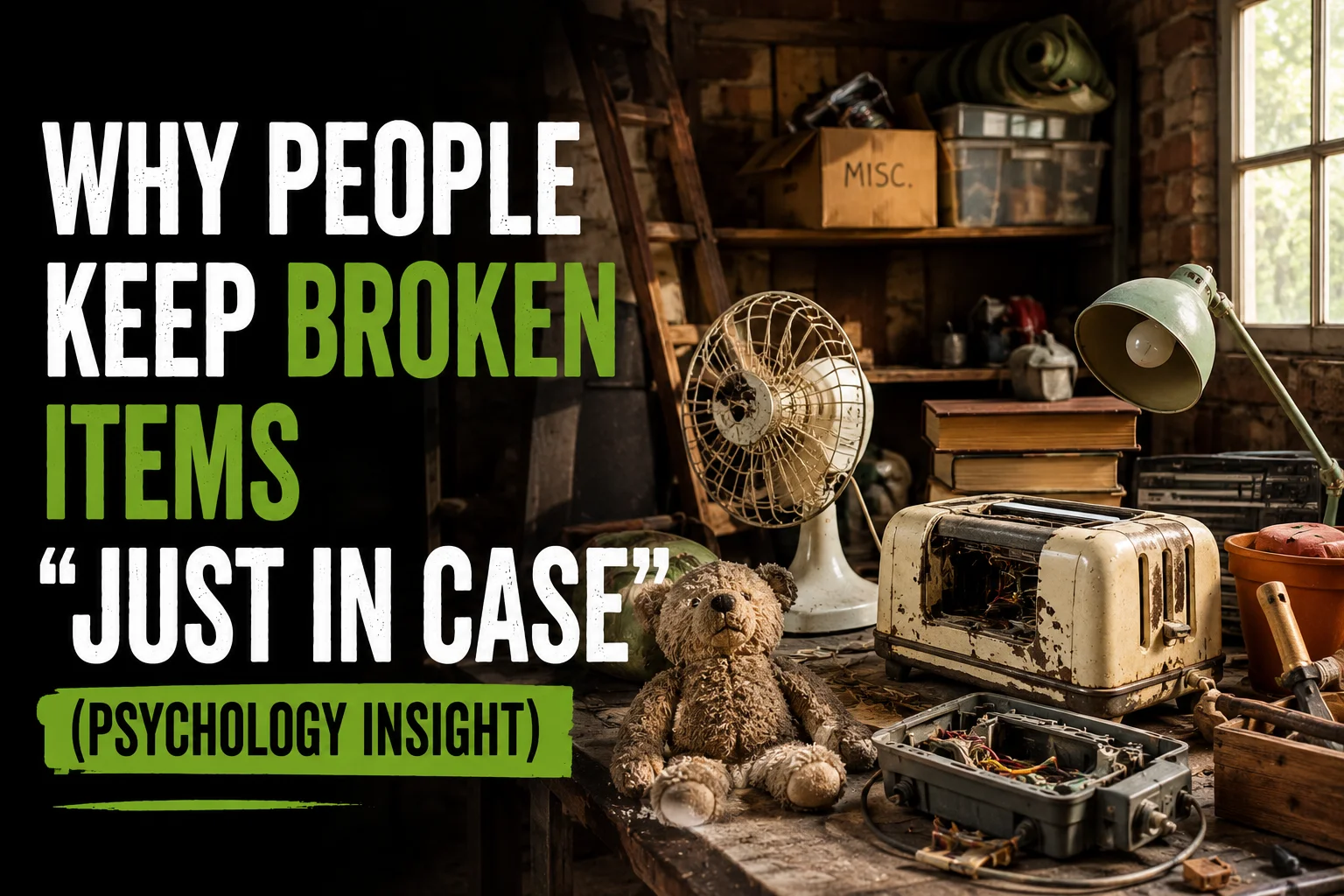
- Post-Christmas Financial Recovery: After the festive season, many face tighter budgets. This financial strain can delay decisions about storage solutions, causing a tendency to hold onto items “just in case.”
- Reduced Daylight: The lack of natural light can affect mood and motivation, making it challenging to find the energy for decluttering sessions. This often results in a gradual build-up of unnecessary items.
- Visual Noise: Every misplaced item competes for attention, creating a sense of chaos that feels more overwhelming when confined indoors for extended periods.
- Everyday Untidiness vs. Genuine Clutter: While shoes in the hall or dishes on the worktop may be common, true clutter can obstruct the function of spaces and block access to storage areas.
- Season-Specific Clutter: Winter brings unique items that require storage, such as coats, boots, and holiday decorations, all of which need proper homes.
- Psychological Impact: Feeling “stuck” indoors with accumulating items can create a feedback loop where low energy prevents action, leading to further overwhelm.
- Procrastination: Many tell themselves they will declutter eventually, but the longer they postpone, the larger the task seems, especially when time feels scarce.
- Recognising Patterns: Understanding these seasonal behaviours without self-blame is crucial. The build-up of items is a natural response to environmental factors, not a personal failing.
By recognising these patterns, we can develop effective strategies to reclaim our spaces and restore a sense of calm at home.
The Role of Clutter Psychology in Winter
As the winter chill sets in, our homes become the primary refuge from the cold. This seasonal shift often brings with it a host of emotional and psychological challenges that can exacerbate the build-up of items within our living spaces.
Many individuals develop a strong emotional attachment to their belongings. Items can represent “who I am,” “who I was,” or “who I plan to be.” This connection intensifies during the colder months, as the reflective atmosphere encourages nostalgia. Letting go of possessions can feel like losing a part of oneself.
Regret aversion plays a significant role in this process. The fear of needing an item later or feeling wasteful can lead to indecision, resulting in cupboards filled with unused things. This indecision is often compounded by guilt over money spent, gifts received but not cherished, or the obligation to keep inherited possessions.
Moreover, decision fatigue becomes a core barrier during winter. The brain’s capacity for making choices can become depleted, making even small decisions about decluttering feel monumental. This is particularly challenging on low-energy days when motivation wanes.
The emotional weight of the season can amplify these feelings. The festive period may evoke memories of lost loved ones or unfulfilled aspirations, further complicating the decluttering process. Comfort-seeking behaviour often drives accumulation, as possessions provide a sense of safety and control in uncertain times.
Perfectionist tendencies can also heighten stress responses to clutter. All-or-nothing thinking may prevent individuals from taking manageable steps toward a clearer space. Visual clutter acts as an environmental load, signalling unfinished tasks to the brain and raising baseline stress levels.
Many people adopt the mindset of “I’ll declutter eventually,” allowing the backlog to grow. This perceived effort required to start can feel overwhelming, leading to further procrastination. Understanding these psychological drivers is not about assigning blame but recognising patterns. This awareness can empower individuals to work with their minds rather than against them in the decluttering process.
| Psychological Drivers | Impact on Clutter |
|---|---|
| Emotional Attachment | Items represent identity and memories, making letting go difficult. |
| Regret Aversion | Fear of needing items later leads to indecision and accumulation. |
| Guilt | Feelings about money spent or obligations can prevent decluttering. |
| Decision Fatigue | Depleted mental energy makes small decisions feel overwhelming. |
| Comfort-Seeking Behaviour | Possessions provide a sense of safety during uncertain times. |
| Perfectionism | All-or-nothing thinking hinders manageable decluttering efforts. |
How Winter Clutter Affects Mental Health and Wellbeing
During the colder months, many individuals may find their homes becoming a source of both comfort and stress. The environment we inhabit significantly influences our mental health, especially when clutter accumulates. This section delves into how clutter impacts our wellbeing, particularly during winter.
Research from UCLA’s Centre on Everyday Lives and Families highlights a strong connection between cluttered spaces and elevated stress levels. The study found that women living in disorganised homes had higher cortisol levels throughout the day. This physiological response indicates that a chaotic environment can contribute to increased stress and anxiety.
Visual noise from clutter can overwhelm the brain’s ability to focus. This constant distraction keeps the nervous system alert, making it challenging to relax. Items left in plain sight serve as reminders of unfinished tasks, preventing genuine relaxation and deep rest.
Furthermore, there is a cyclical relationship between clutter and anxiety. A disordered environment can heighten feelings of anxiety, which in turn diminishes our capacity to tackle the mess. This creates a self-reinforcing loop that is hard to break.
Chronic exposure to household chaos can also lead to depressive feelings. The shame or helplessness associated with an unmanageable room can deepen low moods, particularly during the darker winter months.
Bedroom clutter has a specific impact on sleep quality. Visible reminders of tasks yet to be completed signal to the brain that rest is not yet permitted. This can lead to poor sleep, which further contributes to fatigue and reduces motivation for decluttering efforts the following day.
Neurodivergent individuals may experience heightened sensitivity to visual clutter. For them, constant sensory stimulation can make it particularly difficult to switch off or feel calm at home. This highlights the importance of maintaining organised spaces for mental clarity.
The concept of household chaos—characterised by visual noise, unfinished chores, and unclear routines—creates a steady sense of being out of control. This erodes overall wellbeing and can leave individuals feeling overwhelmed.
It is essential to recognise that minimalist, organised spaces are not solely about aesthetic perfection. They create environments that support mental health by freeing up cognitive bandwidth for what truly matters in life. Addressing clutter is a legitimate form of self-care. Each cleared surface and simplified drawer contributes to lower stress levels and improved overall health.
| Impact of Clutter on Mental Health | Effects |
|---|---|
| Elevated Cortisol Levels | Increased stress throughout the day. |
| Visual Noise | Prevents relaxation and deep rest. |
| Anxiety Loop | Chaotic environments heighten anxiety, reducing the ability to declutter. |
| Depressive Feelings | Shame about clutter can deepen low moods. |
| Poor Sleep Quality | Visible reminders of tasks hinder restful sleep. |
| Neurodivergent Sensitivity | Visual clutter can feel overwhelming and prevent calm. |
Distinguishing Decluttering from Organising
As we settle into the indoor routines of the colder months, our living spaces can quickly become overwhelming. Understanding the distinction between decluttering and organising is essential for creating a harmonious home environment. Many people often confuse these two processes, leading to frustration when their spaces feel chaotic again shortly after tidying up.
Decluttering is fundamentally about the removal of excess items. It involves making decisions about what truly belongs in your life. In contrast, organising is the arrangement of the belongings that remain. If one skips the first step, they are merely moving things around without addressing the underlying volume of items that exceed available storage capacity.
Professional organiser and author Dana K. White states, “You can’t organise clutter. You can only get rid of it.” This insight underscores the importance of subtraction before any system-building begins. When individuals skip decluttering, they may achieve a temporary sense of tidiness. However, this often results in hidden chaos, with overstuffed cupboards and labelled bins full of items that serve no purpose.
Decluttering first offers significant psychological benefits. It allows for clarity in decision-making about what stays and what goes, restoring a sense of control over one’s environment. The process of removal creates both physical and mental space, making subsequent organising efforts simpler, faster, and more sustainable. Everything left has a genuine purpose and a designated place.
Moreover, many fall into the trap of purchasing storage solutions before decluttering. This often leads to spending money on bins and baskets that simply house unnecessary items. True winter decluttering begins with an honest assessment of whether each item serves your current life, rather than a hypothetical future or a nostalgic past.
Professional organisers prioritise the emotional and practical work of letting go before introducing systems. Understanding the distinction between decluttering and organising is foundational to lasting change. It transforms the home from managed chaos into a genuinely calm and functional space that supports daily life.
| Aspect | Decluttering | Organising |
|---|---|---|
| Definition | Removal of excess items | Arrangement of remaining belongings |
| Purpose | Decide what belongs in your life | Create a system for the items you keep |
| Outcome | Clear space and mind | Efficient access to belongings |
| Common Mistake | Not assessing items before organising | Focusing on aesthetics without addressing volume |
| Emotional Impact | Restores control and clarity | Provides structure and ease of use |

Practical Strategies for Winter Decluttering
As we retreat indoors to escape the cold, the accumulation of items in our spaces tends to rise. To tackle this challenge effectively, implementing practical strategies can make a significant difference. Here are some methods to help you manage your belongings during this time.
Time-boxing and the one-touch rule for manageable progress
Time-boxing is a highly effective strategy for winter decluttering. Set a timer for 10 to 20 minutes, focusing on one specific area, such as a drawer or shelf. This approach lowers the barrier to starting and prevents the exhaustion often associated with marathon cleaning sessions.
Additionally, consider the one-touch rule. When you pick up an item, decide immediately whether to keep, donate, recycle, or toss it. This method helps prevent the “I’ll decide later” pile from growing and stalling your progress.
Minimalism maintenance: adopting the one in, one out rule
To maintain a clutter-free environment, adopt the one in, one out rule. For every new item that enters your home—be it a jumper, candle, or kitchen gadget—remove an equivalent item. This practice helps prevent future build-up and encourages mindful consumption.
Another useful technique is the four-pile method: Keep, Donate, Bin, and Decide Later. This structured approach simplifies decision-making and reduces the cognitive load that often derails decluttering attempts during low-energy days.
Starting small is crucial. Focus on a single drawer or shelf to build momentum through visible wins. Clearing out obvious rubbish and expired items can immediately restore visible space, providing the psychological reward needed to continue the process.
Consider using the “used in the last year” rule as a practical benchmark for deciding what to keep. This can help clarify your choices, with sensible exceptions for seasonal gear, formalwear, and essential documents.
Enlisting a trusted friend or family member for support can also be beneficial. Their external perspective can ease decision fatigue during particularly challenging decluttering sessions.
Lastly, responsible disposal is essential. In the UK, consider donating to charity shops like Oxfam, British Heart Foundation, Cancer Research UK, and Sue Ryder. Additionally, utilise council recycling centres and WEEE schemes for electronics.
These strategies align with winter’s natural rhythms—short, focused bursts of work that respect low energy levels while steadily transforming your home environment over time.
Room-by-Room Winter Decluttering Guide
As the nights draw in and temperatures drop, many of us find ourselves spending extended periods at home. This time indoors can lead to an accumulation of items in various spaces. To help manage this, here’s a detailed guide for decluttering each room effectively.
Kitchen and bathroom: clearing clutter hotspots
The kitchen is often the most clutter-prone area in many UK homes. Start by clearing the worktops to create an immediate sense of space and calm. Then, follow these steps:
- Check expiry dates on pantry items, discarding anything outdated.
- Consolidate duplicates of items like utensils and spices.
- Simplify cookware by keeping only the pots and pans you use regularly.
- Group similar items together for effortless daily cooking.
In the bathroom, tackle clutter hotspots by reviewing your skincare, makeup, and medicine cabinets. Look for:
- Expired products, especially makeup and skincare.
- Old travel items and expired medicines.
- Worn linens and duplicate items.
Using small baskets or drawer dividers can help create functional zones, making it easier to find what you need.
Bedroom, living areas, garage, and miscellaneous spaces
When decluttering the bedroom, focus on creating a restful sanctuary. Ask yourself, “Did I wear it this season?” to evaluate clothing. Remove unworn items and anything that clutters your nightstand. In living areas, start by clearing flat surfaces such as coffee tables and shelves.
For the garage, sort items by category, such as tools and holiday décor. Utilise vertical space with shelving and pegboards, and label bins clearly to eliminate stressful searches.
Address miscellaneous spaces like utility rooms and basements with short bursts of decluttering. Scan sentimental papers instead of keeping every document, and remember that it’s okay to let go of things that no longer serve you.
Throughout this process, consider disposal options relevant to the UK. Donate items to local charity shops, utilise council recycling centres, and look for textile recycling points for worn fabrics that cannot be donated.
Remember, the goal of room-by-room decluttering is not perfection but peace. Work at your own pace and celebrate each small area cleared as a meaningful step toward a calmer home. Winter is the ideal season for this thorough approach, providing both the opportunity and motivation to create spaces that truly support wellbeing.

Global Decluttering Philosophies and Their Winter Relevance
As the year turns, the urge to reassess our belongings often surfaces, prompting a fresh start at home. Various global decluttering philosophies offer unique insights that can enhance this process, especially during the reflective winter months. These methods provide structured frameworks to navigate the emotional complexities of letting go.
The KonMari Method: sparking joy in the new year
The KonMari Method, popularised by Marie Kondo, invites individuals to ask, “Does it spark joy?” This approach aligns beautifully with the spirit of renewal that comes with the new year. By focusing on keeping only those items that genuinely uplift our energy, we can transform decluttering from a chore into a celebration.
Marie Kondo encourages people to hold each item and assess its contribution to their life. This process not only creates a sense of control but also fosters a more joyful living environment.
Swedish Death Cleaning: compassionate future-focused decluttering
Swedish Death Cleaning (döstädning), introduced by Margareta Magnusson, offers a compassionate perspective on decluttering. This method focuses on easing the burden loved ones may face when sorting through possessions after one’s passing. It resonates with winter’s reflective mood, encouraging individuals to consider the legacy of their belongings.
Magnusson’s approach is practical and kind, promoting decisions that prioritise family wellbeing over accumulation. This philosophy invites us to let go of items that no longer serve a purpose, fostering a sense of peace and clarity.
Minimalism and other popular approaches
Minimalism extends beyond aesthetics, advocating for intentional living. This philosophy emphasises quality over quantity, creating an environment that supports our values rather than our habits. During winter’s slower pace, minimalism becomes especially relevant, allowing for more freedom and peace in our spaces.
Another useful method is the “Didn’t Know” approach. If you forgot you owned it, you probably do not need it. This straightforward strategy is particularly effective for basements, garages, and storage bins filled with forgotten items accumulated over the years.
Each of these philosophies offers a unique emotional focus and rhythm, allowing individuals to choose an approach that resonates with their personality and circumstances. They also help navigate the guilt and anxiety that often accompany letting go, providing structured frameworks that ease the emotional weight of decision-making.
Professional organisers frequently blend elements from multiple philosophies to create personalised strategies for clients. This demonstrates that there is no single correct way to approach decluttering. As winter encourages introspection, it becomes the perfect season to explore these philosophies and adopt a decluttering mindset that fosters lasting lifestyle change.
When Clutter Becomes Overwhelming: Hoarding and Getting Help
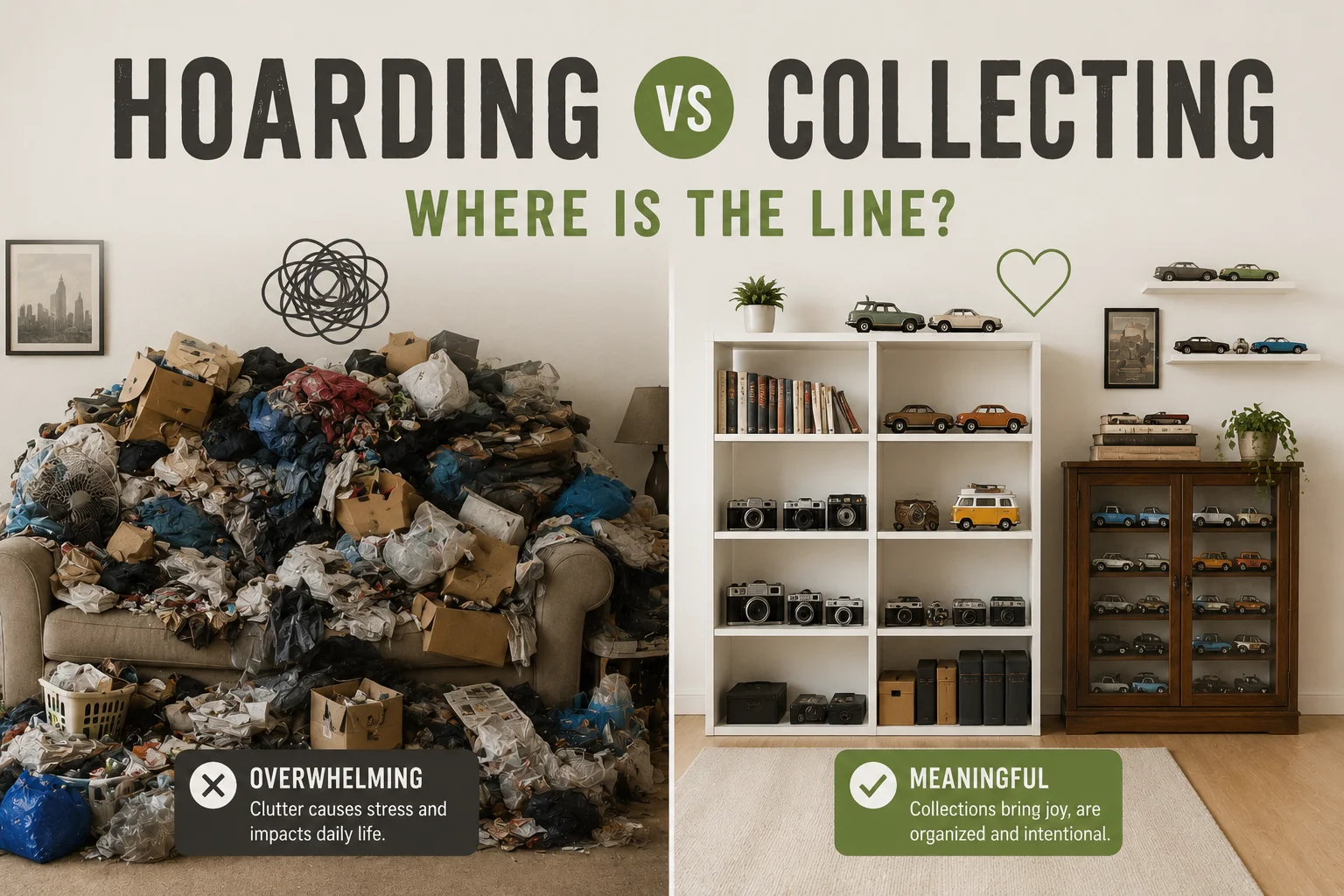
As we spend more time indoors, some individuals may struggle with overwhelming amounts of belongings. This challenge can escalate into hoarding disorder, a recognised psychiatric condition that significantly impacts daily life and functioning.
Hoarding disorder is distinct from ordinary disorganisation. It involves persistent difficulty in discarding items, leading to clutter that impairs the use of living spaces. Key signs of this disorder include:
- Rooms that can no longer serve their intended purpose, such as kitchens or bedrooms.
- Narrowed pathways due to excessive accumulation, making movement difficult.
- Intense emotional distress when attempting to remove items, often leading to avoidance.
Severe clutter can pose serious health and safety risks. Unsanitary conditions may arise, including mould growth and pest infestations. Furthermore, blocked exits or stacked belongings near heat sources can create fire hazards.
Research indicates a strong link between hoarding disorder and other conditions, such as OCD and ADHD. Notably, studies show that 28-32% of individuals with ADHD exhibit clinically significant hoarding symptoms. Major life events, like bereavement or redundancy, can exacerbate saving behaviours.
The emotional dimensions of hoarding often include feelings of shame, isolation, and anxiety. These feelings can prevent individuals from seeking help or allowing visitors into their homes, particularly during social seasons.
For those struggling, it is crucial to know when and how to seek professional support. In the UK, contacting a GP is a good first step. They can provide access to NHS talking therapies or refer you to a specialist therapist trained in cognitive behavioural therapy for hoarding.
Professional organisers and decluttering services can also play a vital role. Many offer compassionate, non-judgemental support tailored to individual capacity and readiness. Techniques like the ACE method (Assess, Clear, Elevate) can be particularly effective.
Additionally, virtual decluttering support and ongoing accountability programmes are available. These services can be especially beneficial during times when mobility or motivation may be limited due to the weather or low energy levels.
Seeking help is not a sign of failure; it is a courageous step towards reclaiming control and improving mental health. Early intervention can significantly reduce risks and restore usable spaces.
Recovery is possible with the right combination of professional support, practical strategies, and self-compassion. Even small steps can begin to lift the weight of overwhelming belongings.
Clutter’s Impact on Productivity, Procrastination, and Relationships
As the temperature drops, many individuals find themselves confined indoors, leading to an increase in distractions and accumulated items. This environment can significantly affect focus and productivity.
Visual noise, or the clutter in our surroundings, competes for our attention. Each visible object acts as a micro-distraction, pulling focus away from the task at hand. This constant shifting of attention can reduce overall productivity, making it harder to complete work efficiently.
How visual noise hinders focus and increases procrastination
Many people experience procrastination in cluttered spaces. The perceived effort required to clear a workspace before starting a task can make the workload feel larger than it is. This leads to avoidance and delays in completing essential tasks.
For instance, searching for lost keys or shifting piles to use a surface can create practical friction in daily life. These small delays accumulate over time, resulting in significant time lost during the week. Research shows that repeated two-minute searches for misplaced items can drain hours from our schedules.
Effects of clutter on household dynamics and social life
Clutter can also strain relationships within shared homes. Common patterns include one person feeling nagged while the other feels criticised or ignored. This dynamic can turn chores into battlegrounds, eroding teamwork and harmony.
Moreover, clutter often leads to social consequences. Many individuals feel embarrassed about their living spaces, preventing them from inviting friends or family over. This can lead to social isolation, particularly during the colder months when indoor gatherings are more common.
For those working from home, a disorganised workspace can directly undermine professional performance. Increased stress and anxiety can result from an unkempt environment, making it difficult to focus on work tasks.
The concept of “visual noise” serves as an environmental stressor that keeps the brain in monitoring mode. This state makes it harder to enter flow states, which are essential for complex work. To combat this, it is crucial to establish shared clear zones in the home, such as the dining table or sofa, where everyone can maintain control.
Addressing clutter is not merely about aesthetics; it creates an environment that supports focus, harmony, and connection. These benefits extend far beyond the physical space, enhancing every aspect of daily life.
| Impact of Clutter | Effects |
|---|---|
| Visual Noise | Reduces focus and increases distractions. |
| Procrastination | Perceived effort makes tasks feel larger, leading to avoidance. |
| Time Drain | Frequent searches for misplaced items steal hours each week. |
| Household Dynamics | Strains relationships and erodes teamwork. |
| Social Isolation | Embarrassment prevents inviting others over. |
| Remote Work | Disorganisation undermines professional performance. |
Conclusion
As the days grow shorter, it’s a natural inclination to evaluate our living environments and the items within them. This season is not just about cleaning; it’s an act of self-care. By removing what no longer serves you, you reclaim your space and energy.
Every small step taken towards decluttering is an investment in your mental health. It helps reduce stress and enhances your overall wellbeing. Remember, achieving a calm and functional space does not require perfection but consistent, compassionate efforts.
Consider adopting one practical strategy from this guide, like the one-touch rule or time-boxing. Start with a single drawer or surface to build momentum. And don’t hesitate to seek support from family, friends, or professional organisers. You are not alone in this journey.
Embrace this opportunity for transformation. Winter is heavy enough without the burden of unnecessary items. By taking small actions today, you can feel lighter, calmer, and more at home in your own space.